
Tuesday 18 February – Derek’s birthday
Ronnie and Luan (shadowing Ronnie Messias as additional driver for Foundation Tour Services) came early into Stellenbosch from Jamestown where Ronnie lives, avoiding the heavy traffic to make a 09.00 appointment at Aslina Wines, to meet Ntsiki Biyela, described by WOSA as one of SA’s iconic winemakers. Certainly her story is impressive. With no family background in wine nor money, and speaking neither English nor Afrikaans, she enrolled at Stellenbosch University, and used her first year to learn Afrikaans in which teaching was delivered in the early 2000s.

There were very few women and even fewer black women following wine courses then, but she succeeded, using an internship with Delheim as a spring board for her early wine-making. She created her grape-buying business with their support and collaboration, and recently moved to rent the smart premises on a high quality busy-footfall trading estate. Another impressive SA woman!

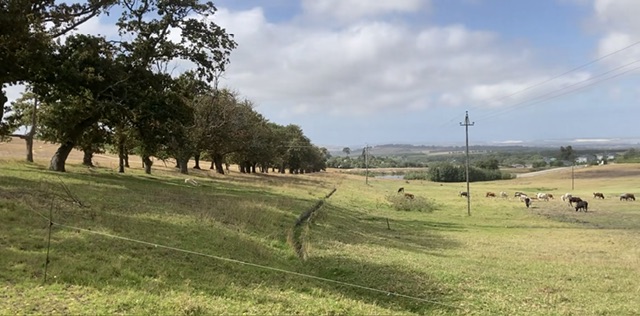
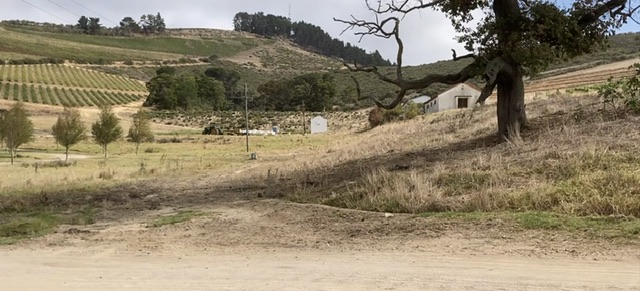
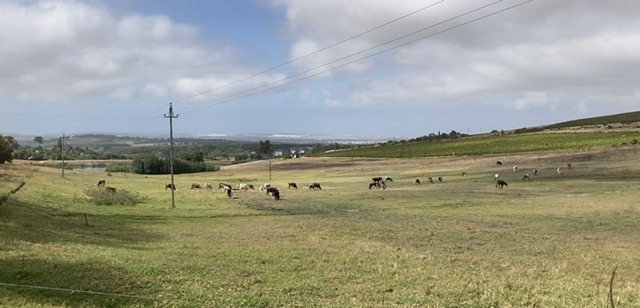
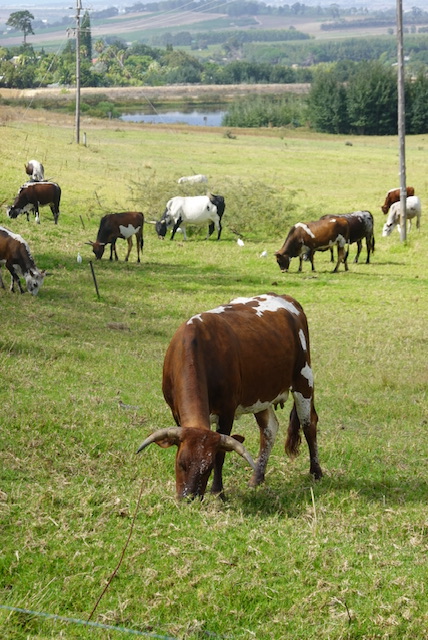
We moved on to Hartenberg Wine Estate for 11.00 where Heleen Rabe met us and drove us around this extraordinary regeneratively-managed farm and into the vineyard to meet the Farm Manager. He gave us a fascinating introduction to the complexities of this ecosystem, making sense of their concentration on a holistic integrated approach in which cover crops enhance the microbiome of the soils, assist water preservation and provide fodder for small herds of cattle which graze between the rows, and which in turn fertilise the vines.
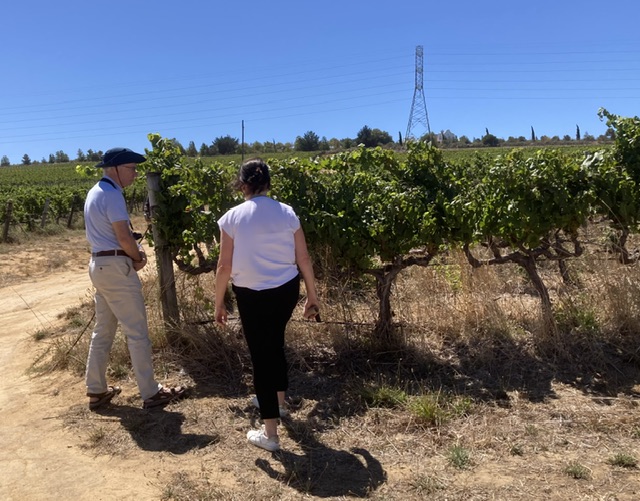
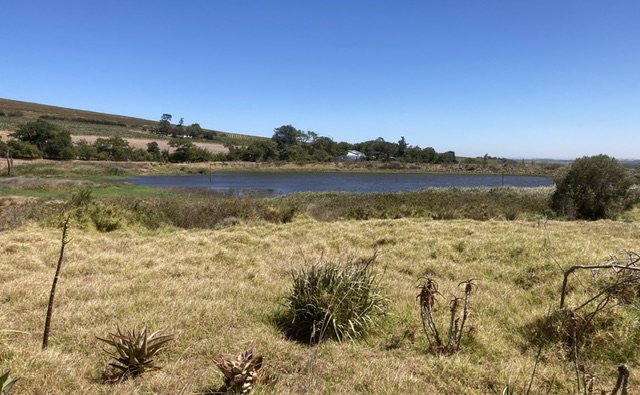
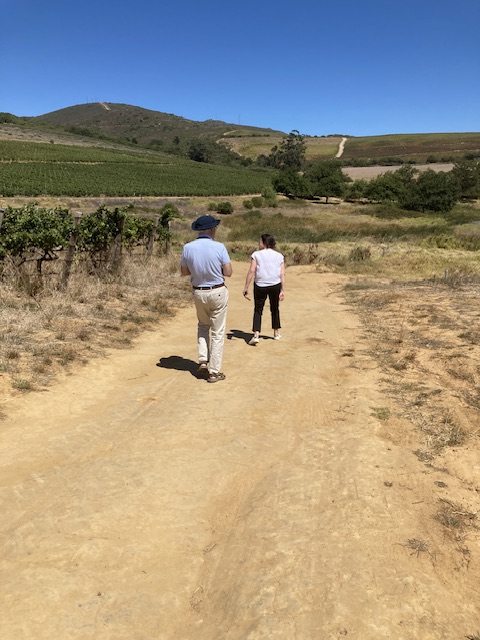
Owls are hosted for rodent control; ducks tackle snails and guinea fowl forage the soil surface, while geese are used to scare off the lynx (which want to eat the ducks…) Land is left fallow; fynbos encouraged, nature corridors are created, and alien species discouraged. The ubiquitous starling is a universal problem and imported trees tend to burn at higher temperatures making natural fires increasingly dangerous. (Fynbos on its own burns out very quickly allowing native species to regenerate easily).
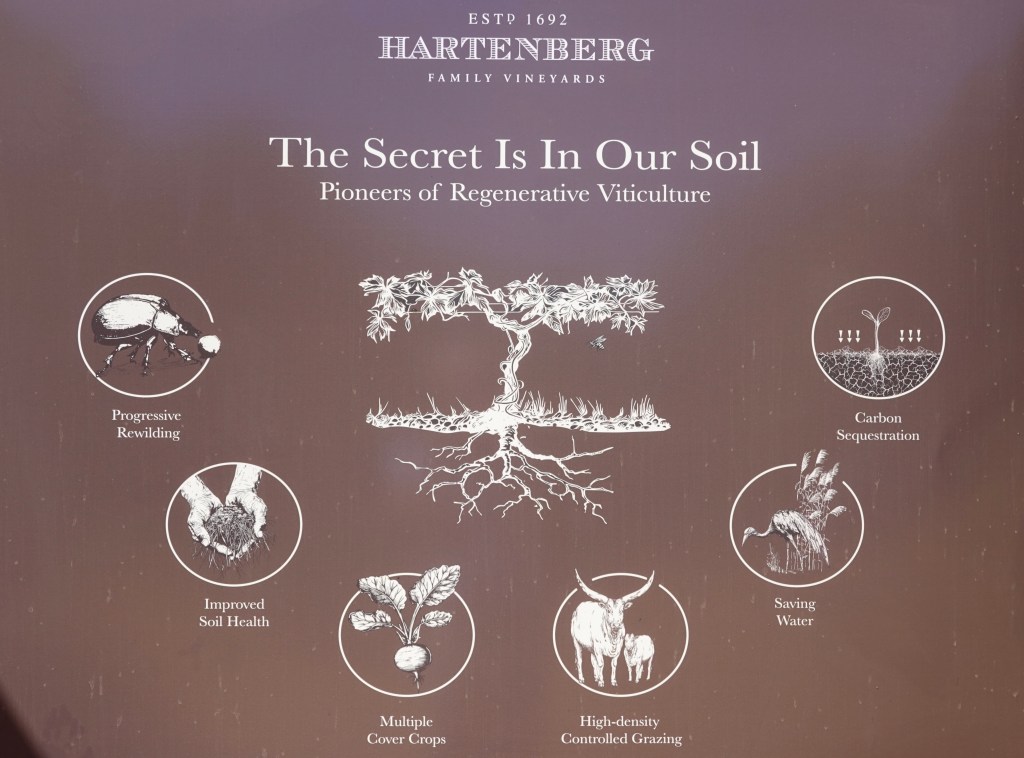
Water is recycled, naturally filtered by the reed beds and wetlands and collected in small dams. Pesticides and herbicides are not used; tractor use, and therefore diesel consumption, much reduced. The cattle flatten the ground cover which in turn reduces evaporation and soil temperature, and fertilise the soil as they are moved regularly through the vine rows.
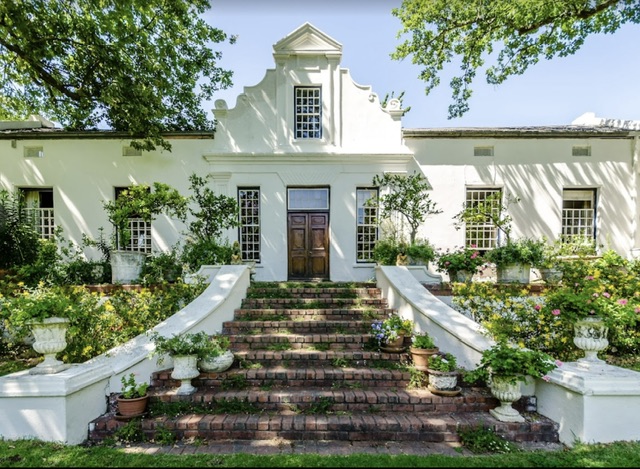
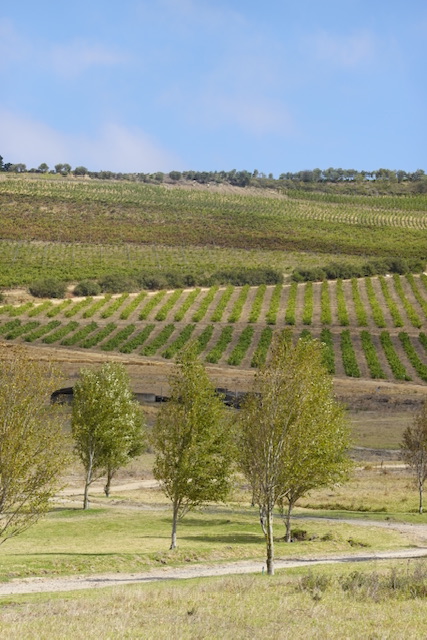
14.00 Natte Valleij (above) was a very different operation. Alex Milner’s English grandfather moved to Constantia to breed and train racehorses, but after the area expanded, he purchased this property – formerly a winery but much reduced after most of its vineyards had been sold off, leaving only a flat low area attached to this beautiful house and out buildings, ideal for raising and training horses. Alex grew up with little interest in wine or horses, and only as a young adult, enrolled by his father in his absence to read wine-making (not philosophy!) at Stellenbosch, did he engage with wine.
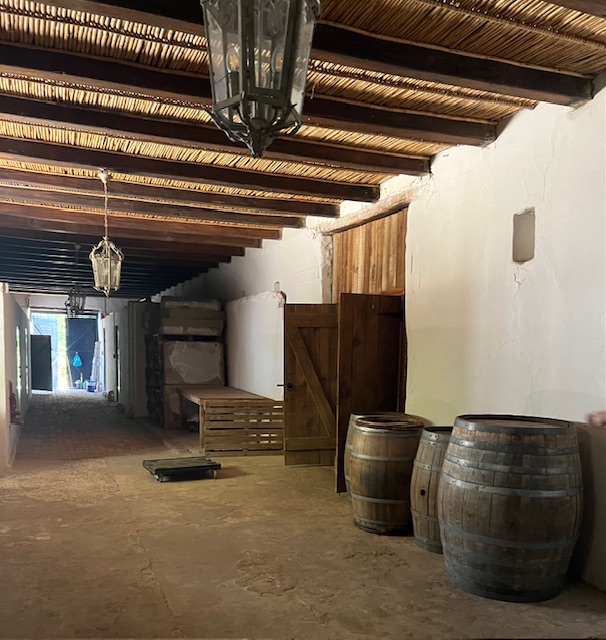


He buys grapes and makes wine in the old buildings, once a winery but more recently stabling. He is assisted by Callum, a Zimbabwan hoping for residency, and two interns, one local, the other from France. His passion is Cinsault, whose grapes are sweet enough to attract the children disembarking the school bus at the stop by the vineyard gate, and who regularly carry off bags of bunches to their families’ homes. More annoying than starlings, I imagine.
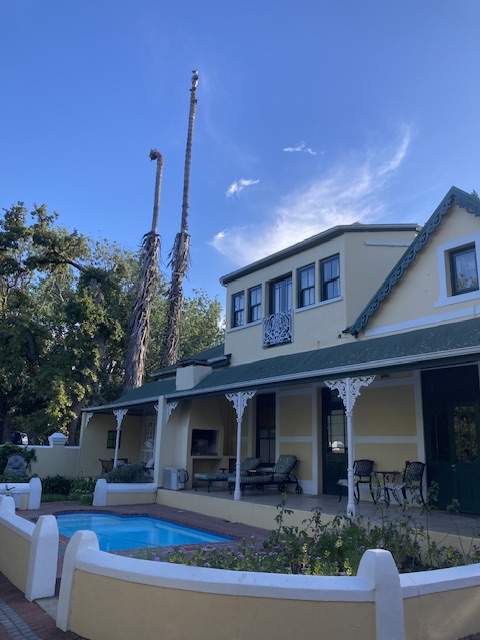
Ronnie had already gone home, and Luan drove us from Natte Valleij back to the Lodge for a brief rest before setting out for a tasting and dinner at 96 Winery Road (Ken Forrester’s restaurant) with Abi Motton, of the Chenin Blanc Association (CBA) who had just returned from London, visiting family there after ParisWine, and Danie Steytler of Kaapzicht who had brought six fabulous wines, including 1947, the oldest bottled single vineyard Chenin. He is passionate about these wines, and helped us understand the dilemma of producing wines that fetch much less than the cost of their production but which does provide work for many people. It is an unsustainable, unresolvable problem.
Abi was a great hostess, and a loyal advocate of Chenin, SA’s longest ‘serving’ and much valued white wine, who also brought a range of great examples from other CBA association producers.
Ronnie took us home. His mood is lifting but he is still not quite himself after a hard weekend.
Wednesday 19 February: Swartland in 38 deg C
We left at 08.00, with Luan driving, to travel to the café Felix in Riebeek-Kasteel to meet Rosa Kruger and Nadia Hefer of the Old Vine Project.
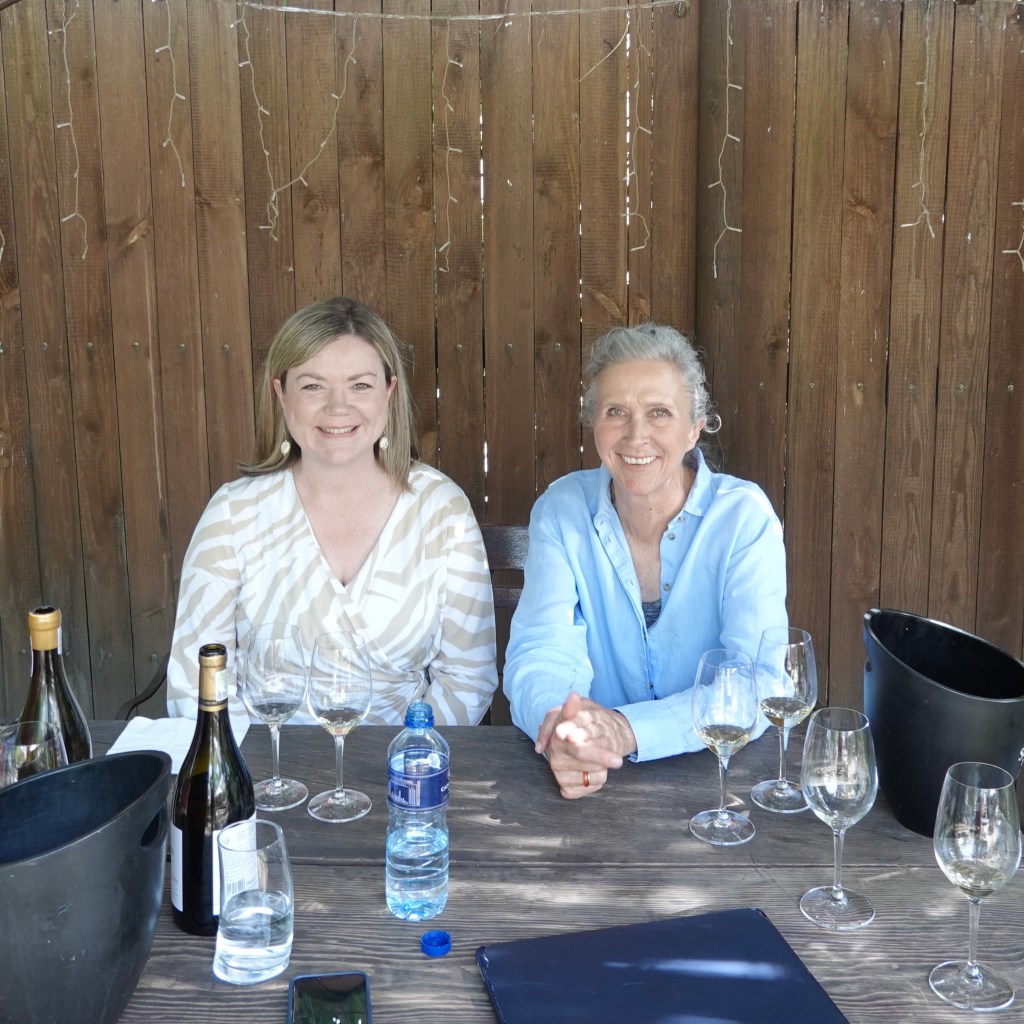
Rosa is a remarkable woman in so many ways. Her greatest gift I think is to see and question things from fundamentally different perspectives from those currently fashionable or historically embedded. She has so much to offer the SA wine world, and has a reputation for clarity and honesty, to which we must also add modesty and courage.
We were early, and so was she. ‘We are never late’ she said, fixing me with her steely eyes. ‘Nor are we!’ I replied defiantly. She consistently rejected my accolade of legend, despite the universal high regard in which she is held. The people who work the vineyards 10 hours a day are the legends for Rosa, from whom she is continuously learning, and incorporating their wisdom into her commitment to regeneration and the reinstatement of healthy integrated ecosystems.


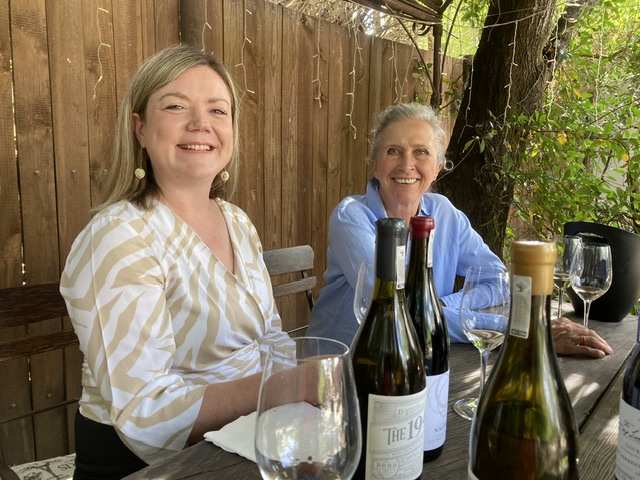
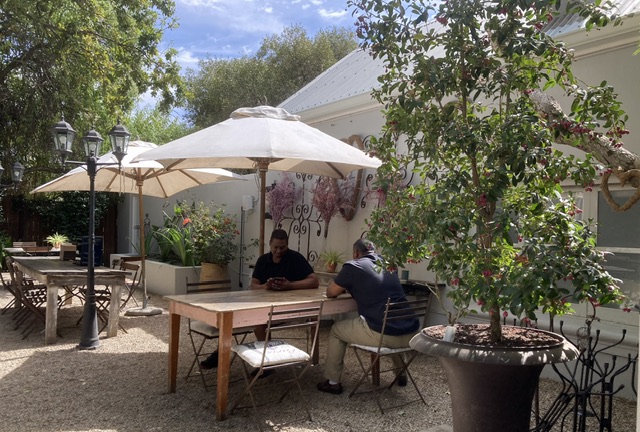
David was delighted that WOSA had engineered a meeting with her; we were pleased to meet Nadia too who manages much of Rosa’s admin, and especially the work around the Old Vine Project. Old vines produce modest crops of small berries, often in inhospitable places, and many have been abandoned, or pulled up.
Today they are increasingly valued; a commodity that one multi-millionaire she had worked with was intent on buying. He didn’t handle being told no, apparently. They went their separate ways… (Might this have been Anthonij Rupert, about whose history we learned later that day?)
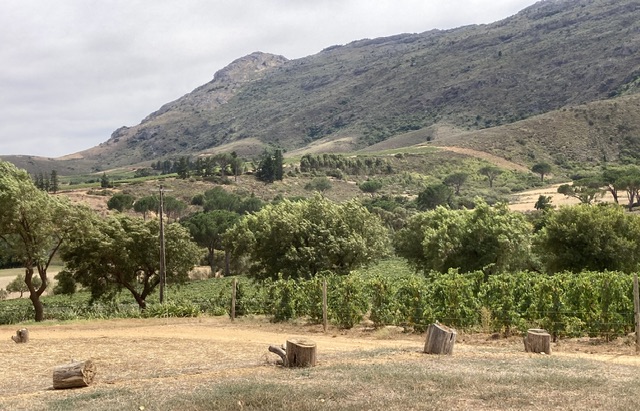
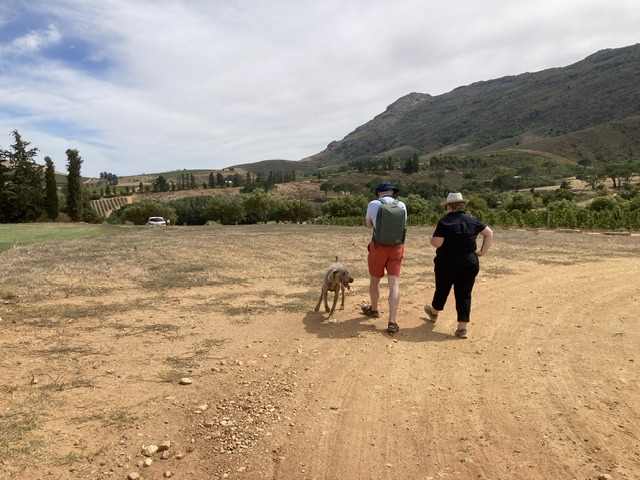
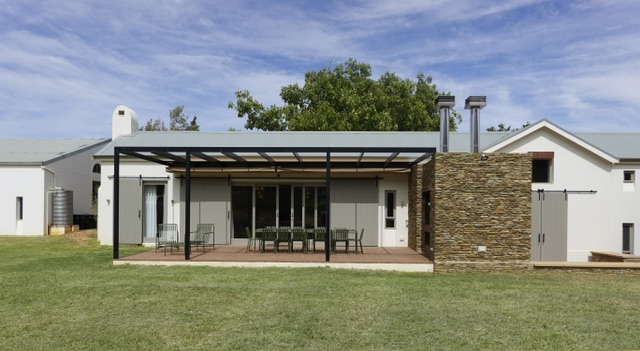
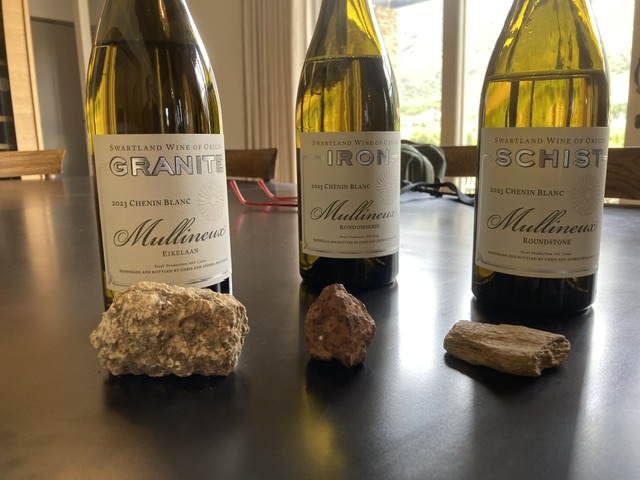
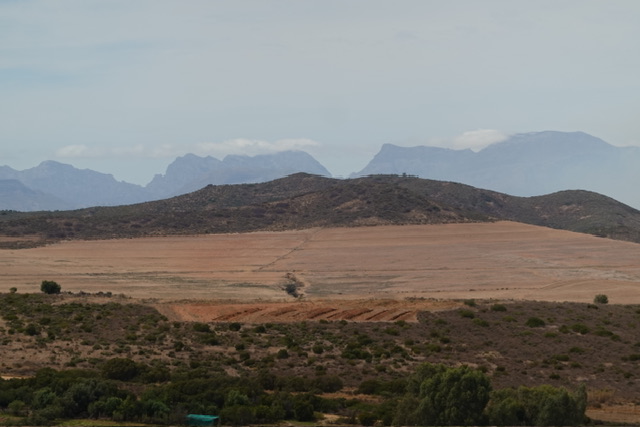
We left – promptly – for Mullineux Wines at Roundstone, which we had visited before the new tasting area had been built. Jolize van Wyk briefly showed us around the immediate vineyards in the blistering heat before a hasty tasting, whose main appeal for me was the demonstration of both the rock types, and their subsequent expression in the Granite, Iron and Schist wine ranges.


Ronnie had negotiated for us to join a larger group of tourists who were being hosted for a communal lunch and tasting at AA Badenhorst Family Wines, and despite our arriving after 13.30 we were able to share in a rather good fish curry made at this very unreconstructed location, in the company of a very mixed crew. Two women on holiday from Dublin, one of whom had worked in SA, were our immediate neighbours on the long trestle table under a crude canopy.

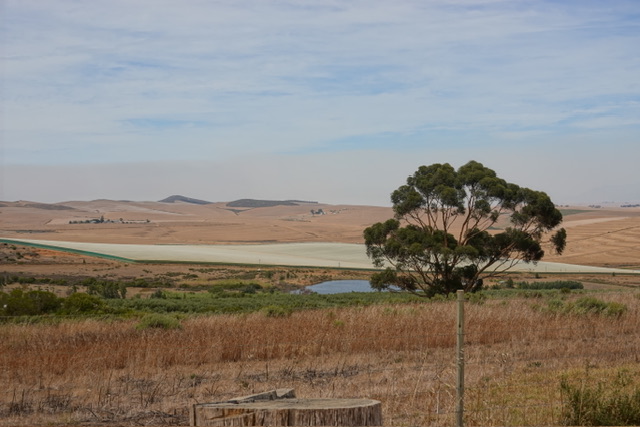
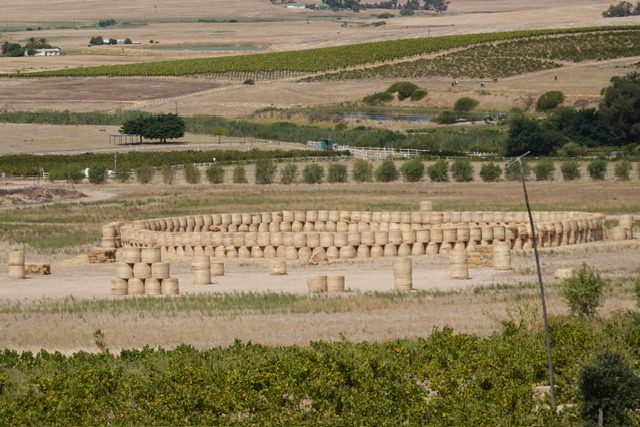
Charl Badenhorst hosts these rough and ready informal tasting lunches every Wednesday and Friday. He was polite, a little shy, not entirely commanding the attention of his guests by his hill-billy appearance. I learn from David that he is a very shrewd and successful wine-maker, with myriad strings to his bow (including a sizeable log distribution business, according to Ronnie!)
It was a very hot day, and very enervating. I was glad when Ronnie reappeared at 15.30 to take us for another hour’s drive. Thank goodness for air-conditioning! Throughout the day we had seen smoke collecting in the valleys and creating thick haze of many miles in several directions. There had been a serious spontaneous fire over the weekend that had engulfed a block on a well-known prestigious farm, as well as others which were extinguished successfully by helicopters. As the climate changes, growers are turning to a range of methods to manage this threat, including firebreaks, removal of alien species and fallow land.
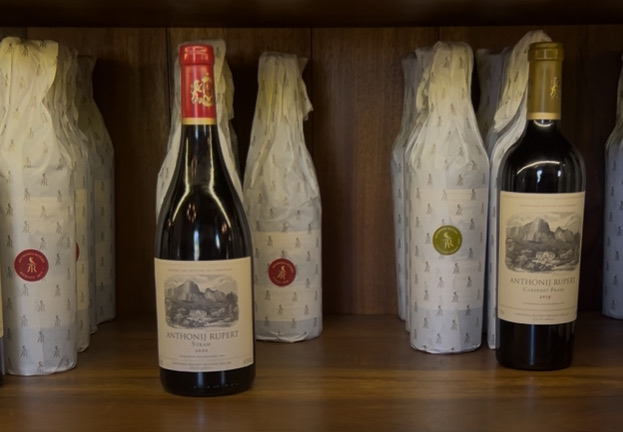
Anthonij Rupert Wines in Franschhoek is an enormous and very beautifully laid out estate, owned by a family whose wider business interests are in many luxury labels and are based in Switzerland. Anthonij died in a road accident in the early 2000s. His brother retains his name for the winery as a mark of respect. Dupre Nel is in charge of marketing and sales, and led us through the most comprehensive and extensive tasting of 19 of their beautiful wines.
We were tired from the heat and the aftermath of upset stomachs which left both of us weary and me feeble (reminiscent of Switzerland last summer). We had a booking for supper in the Wine Glass where I ate their linguine and mushrooms (for the third time) and headed back to the hotel for an early night. Fortunately the efficient air conditioning kept the bedroom cool.
Thursday 20 February
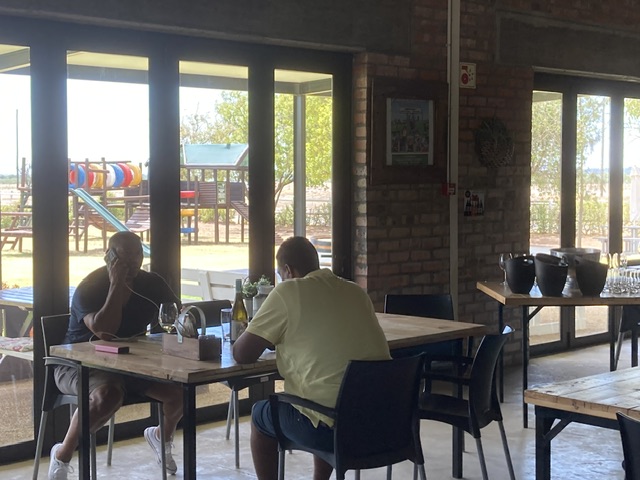
Ronnie and Luan collected us at 08.15, well aware that the day would again be very hot, as we drove north once again into Swartzland to meet several Darling producers. The itinerary directed us to Cloof Estate, and google maps attempted an overland route which didn’t exist through the small township of Riverlands. Ronnie established by phone that we should re-route to Darling Cellars and arrived on the dot of 10.00 to talk to and taste with a number of Darling producers.
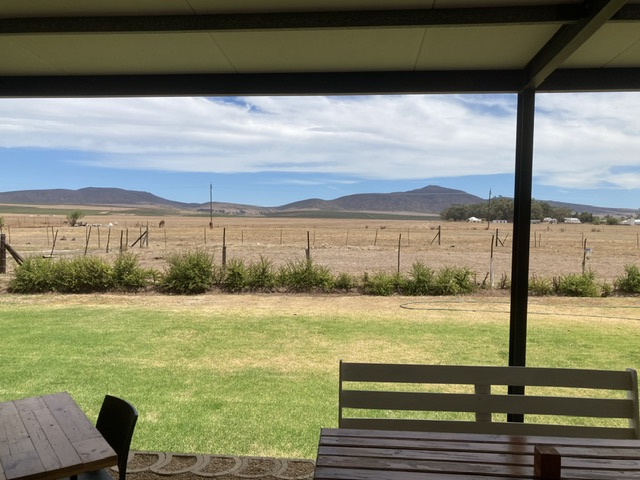
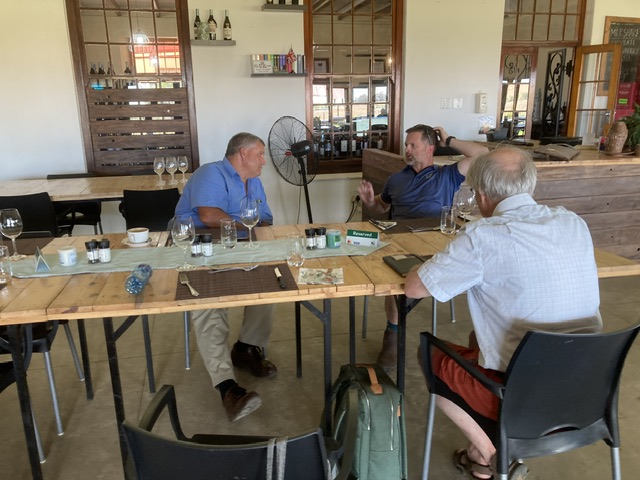
Of course we overran – and lunch was hurried as we headed to Wellington in 39 deg C to reach Bosman Family Vineyards at 14.40 where Julia Moore greeted us with cold facecloths and rapid fire questions about what David wanted to do and to know. Bosman is a very large estate with over 150 workers permanently resident, some spanning three generations. 26% of the company is owned by the workers, who take part in decision-making and benefit from farm’s massive success as well as education and health facilities on site.
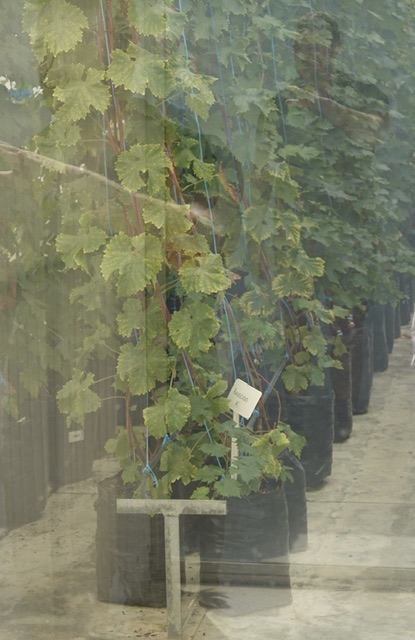
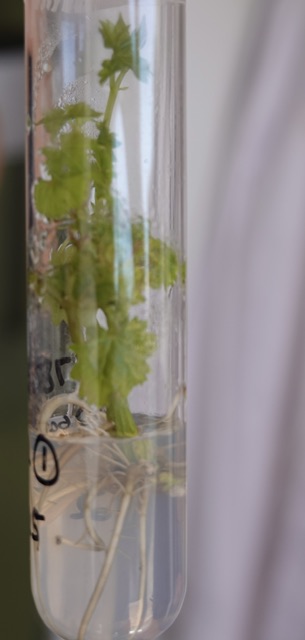
A plant nursery was established in the previous generation, and this has expanded to develop research on and trials of a heat cleaning process of plant tissue in an attempt to eradicate not only the leaf roll virus, but also to ‘outgrow’ many other vine diseases (of which Rosa had spoken yesterday). Certified stock is supplied to both wine and dessert grape growers; they are the biggest suppliers in the southern hemisphere as well as working closely with European sources of plant tissue. Julia’s colleague showed us round part of the laboratories and explained the minute slicing processes and treatments that precede the cultivation of ‘clean’ rooted cuttings.
Our final visit of the day at 16.45 was to Perdeberg Wines, formerly a cooperative until 2012 and now a 3000 hectare estate owned by a number of the former members. It is huge! We were greeted by… formerly a wine maker there for 10 years, but she has decided to move into the marketing and business side, mainly to have more regular hours and time to spend with her family. She showed us the huge winery and talked us through the wines, many of which she had made.

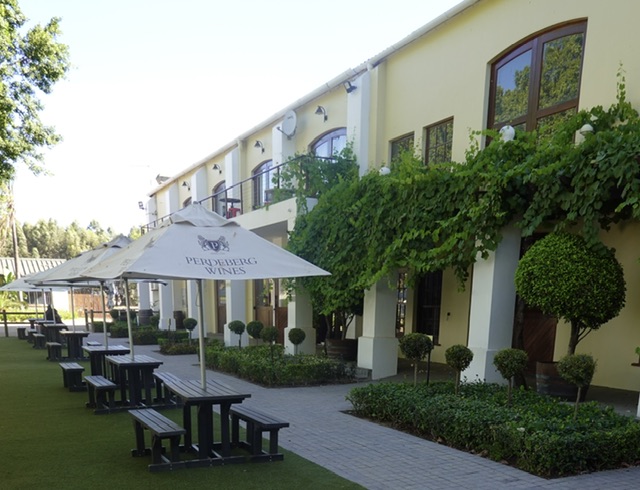
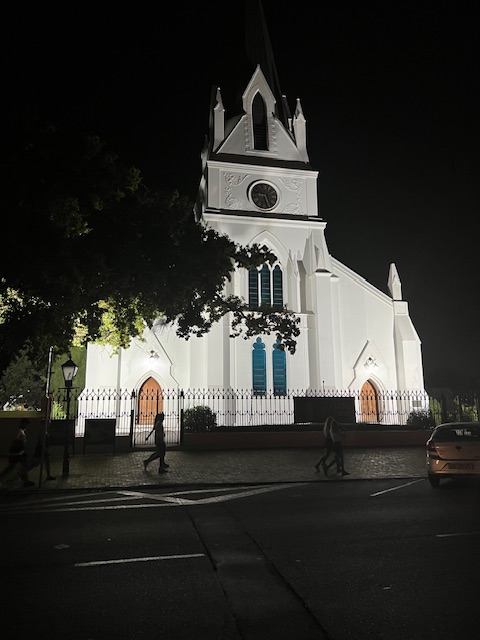
The tasting room had several shelves of laden with trophies awarded to various of their producers in national and international competitions. One award has yet to be collected from Holland! She had prepared some snacks – cheese, cure meats, samosas, grapes and breads, which meant that we needed only a small supper (we shared our fourth mushroom linguine) at the Wine Glass once Ronnie had returned us to Stellenbosch. The church below is one of the earliest built in the town, and boasts remarkable stained glass – and a pulpit instead of an altar
The volume of food and especially meat served in SA has frequently overwhelmed us. It has been really difficult to find simple non-elaborate dishes or small amounts. Pasta and rice saved the day!
Friday 21 February
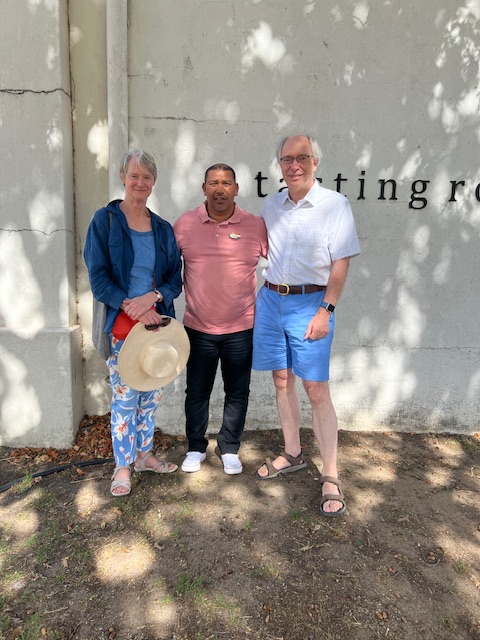
We packed and said our farewells to the Evergreen Lodge (whose breakfasts were the best) and Ronnie drove us to Reyneke Wines where Johann, the owner, gave us the most memorable and moving account of his and the farm’s journey from his academic philosophy studies at University to the slow progress of a farm governed by entirely regenerative practice. And Rosa Kruger was paying her weekly visit to this vineyards that very day.
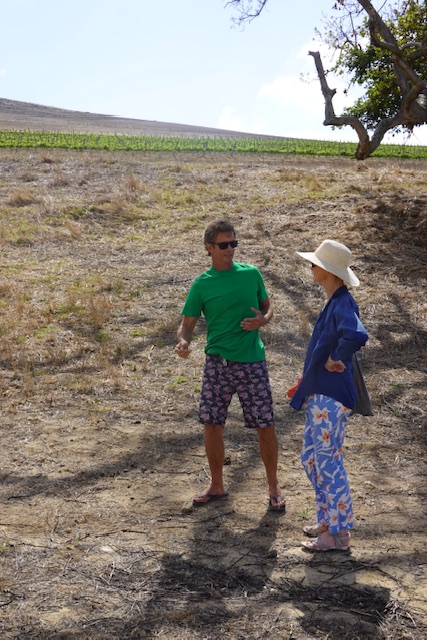
The native species cattle, the production of charcoal from vine wood to become a vine mulch improved by manure; the careful use and management of water, and most of all the microclimate dominated by fresh winds that sweep continuously off the sea make this a very special place – one to which I could imagine wanting to return.
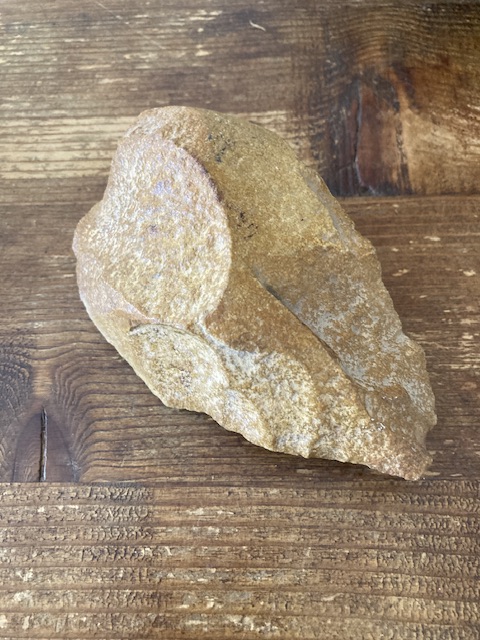
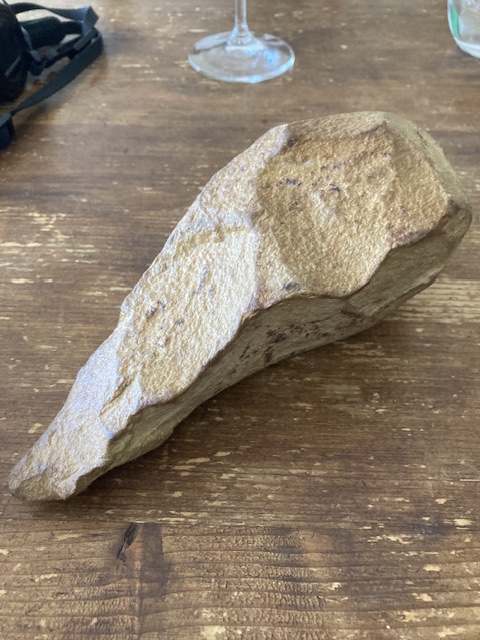
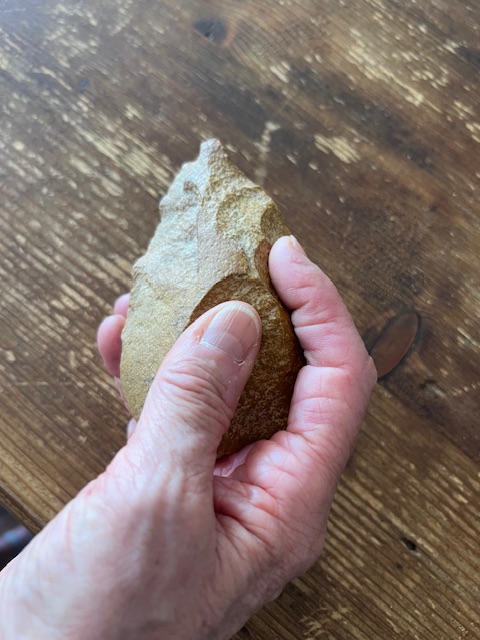
Johan showed us some of the flints/axeheads he had come across on his land. To hold the stone as perhaps others has thousands of years ago, in this very place, was very moving.
Ronnie had the wizard idea of dropping off our luggage and checking in at Jordan Wine Estate, where we also ate lunch at their Cellar Door.

We drove diametrically east across the Stellenbosch plain to Oldenburg Vineyards for 14.30 where the head sommelier is a recent WSET diploma graduate, who greeted David warmly.
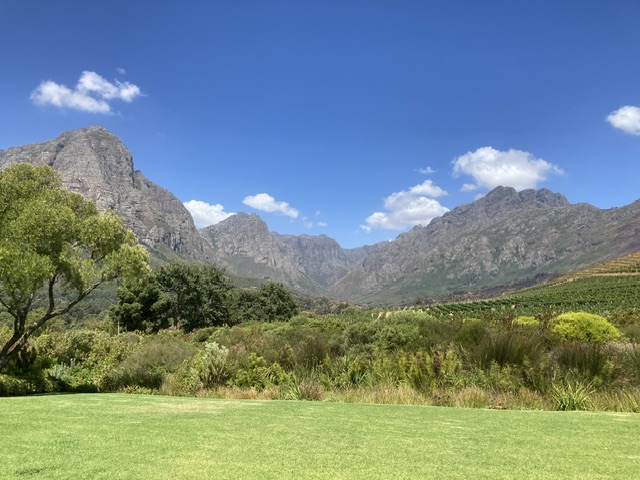
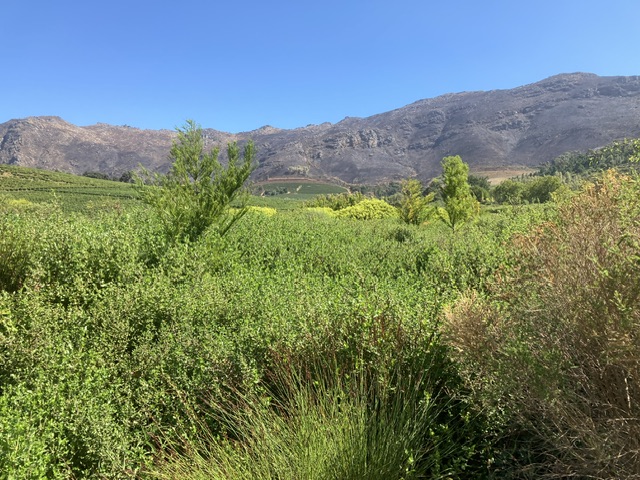
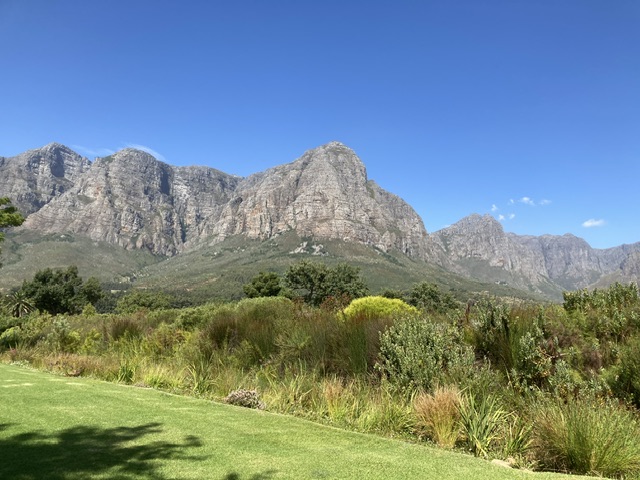
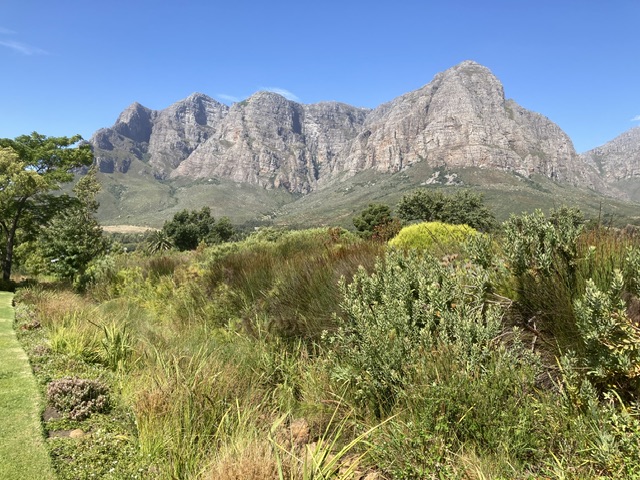

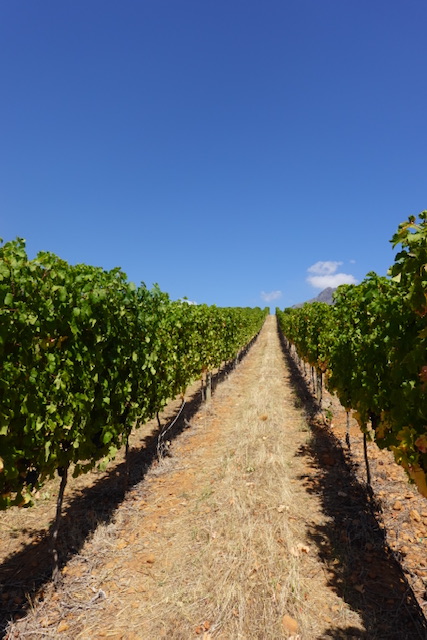
David explored the vineyards in the two seater truck while I enjoyed the spectacular view of the mountains which surrounded them, from a fine terrace and garden.
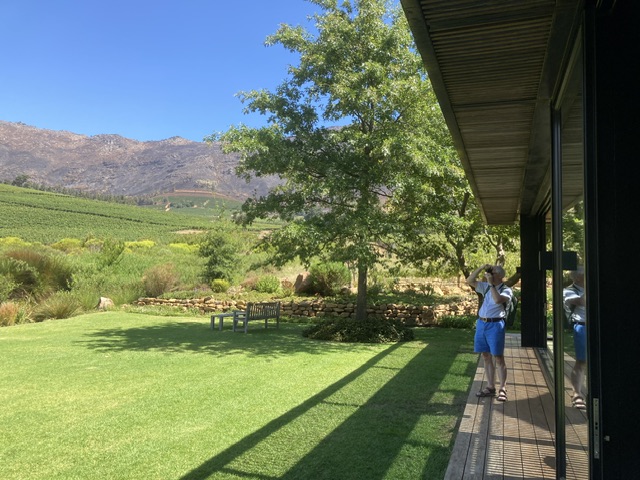

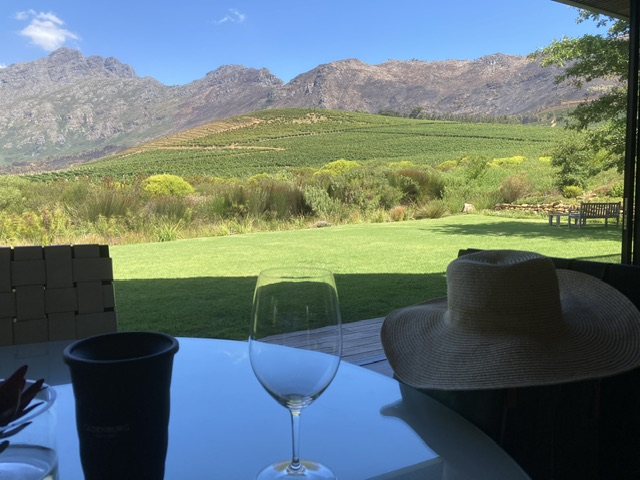

I joined in again to tour the busy winery where grapes were arriving and fermentation was underway, before returning to the terrace for a tasting and a poetic delivery of information by a very knowledgeable if overly mannered young man. He became much more accessible on the subject of the Wine Glass restaurant in Stellenbosch where he had previously been manager. (It’s gone down hill….)
Finally we drove due west once more through the late Friday afternoon traffic to our ‘luxury suite’ on Jordan Wine Estate where a basket dinner awaited us on our patio, and the remains of the half bottle Reisling from lunch. We even managed to buy one of the few remaining Assyriko bottles from the restaurant, in preference to the Merlot provided.
We were very tired, and puzzled by the lack of ready information about the food arrangements. Chelsea’s defeat by Aston Villa and some late night emailing hassle brought a restless night.
Saturday 22 February
Breakfast was fruit and looked promising but the vineyard tour was booked for 10.00 so we hurried off to bag a seat. Our companions included a content six month old dutch baby called August, two contented parents and a disgruntled couple from Belgium, as bemused as we were.
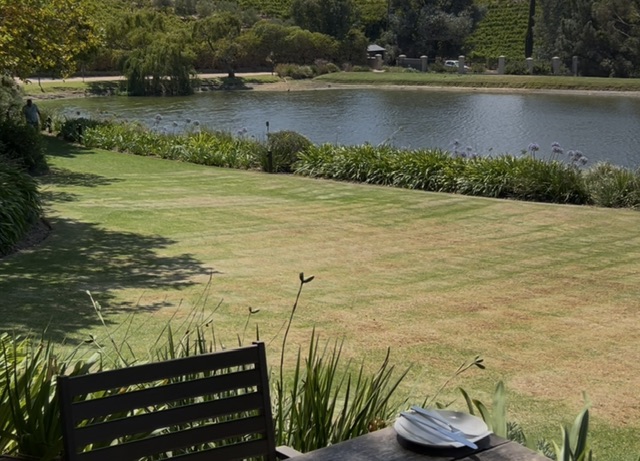

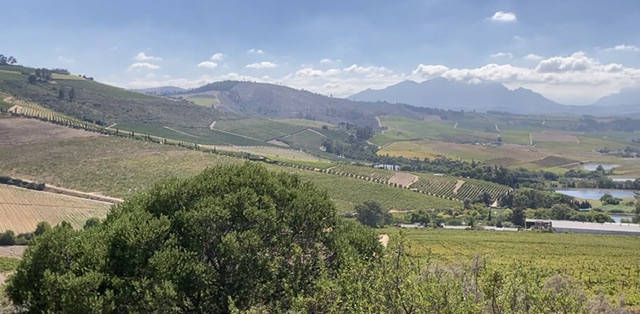
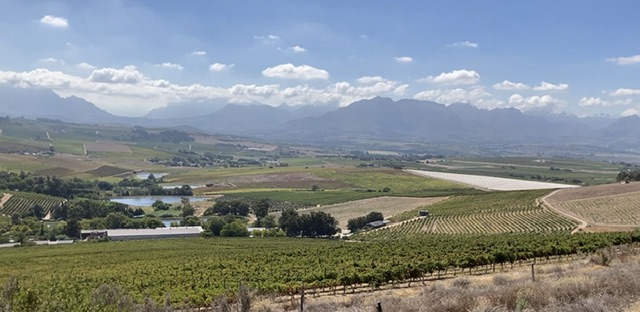
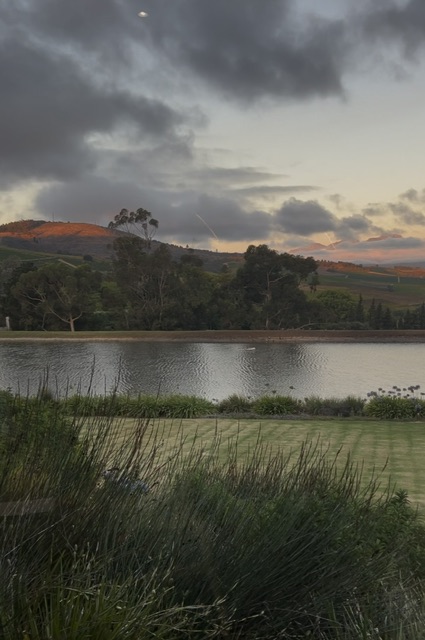
Jordan is a terrific operation with more wonderful views, a serious focus on hospitality and built-in opportunities to taste wine and explore the vineyards in a modified land rover. But it was almost impossible to find out information about what types of meals were on offer. The basket dinner and lunch in a pod – well – a privatised space by the lake and a picnic blanket – were not to our taste but the tasting menu in the restaurant on Saturday evening capped a very pleasant, close day, with excited packing for me, a swim and a long bath while David cracked the Piemonte emailing.
Sunday 23 February
Ronnie arrived at 07.30 and we departed as planned at 08.00 for Cape Town International Airport, hugging as we left. The airport baggage drop was quick but the passport check slow though we eventually made it to the Icon cafe and breakfast. I purchased a new travel rucksack and a UV blocking hat (for about the same amount of money!) and the 12.05 Norse flight left perhaps 40 minutes late. Eleven and a half hours seemed a long time! David worked for much of it while I read the Booker prize winning Orbital by Samantha Harvey, lent me by Lucy; listened to another dose of a Middlemarch radio production by the BBC and wrote up much of this.
We arrived at Gatwick c 21.45 and stayed in Hampton by Hilton, thank goodness.
Monday 24 February
The journey home after breakfast was uneventful, and quiet. However, despite having managed over two weeks in South Africa without major incident, it was perhaps not surprising that a phone inadvertently was left on the train as we disembarked at Andover.
Only when David used mine to trace his at 14.00 did we learn it was already safely stowed in Salisbury Station’s Supervisor’s office. It was quickly retrieved the same afternoon after a rapid return excursion by train. Hilarious!
 countrymouse