
Thursday 6 March
An early start to catch the 08.05 to make an uneventful journey by train then Jubilee line to Canning Town and its platform 1 for the DLR to London City Airport, where we arrived in enough time – but of course without tickets – for an earlier flight (11.45) to Milan Linate. I was still feeling fragile, and managed a brief snooze in a very quiet gate 5 while waiting for the 13.15 GMT. It left on time, and we arrived in bright warm sunshine at 15.50 CET.
Luggage arrived quickly; Maggiore had a VWT-Cross ready for us – on the 5th floor of P2. As ever, getting out and on the correct route proved tricky, but by 17.15 we were in the thick of Milan’s rush hour, and crawled our way north. By 18.00 we had cleared the vast sprawl of the northern suburbs (including Monza) and as the light failed we reached Lecco, and into the many tunnels through which the SS 38 travels north, running parallel to Lake Como’s NE shore.
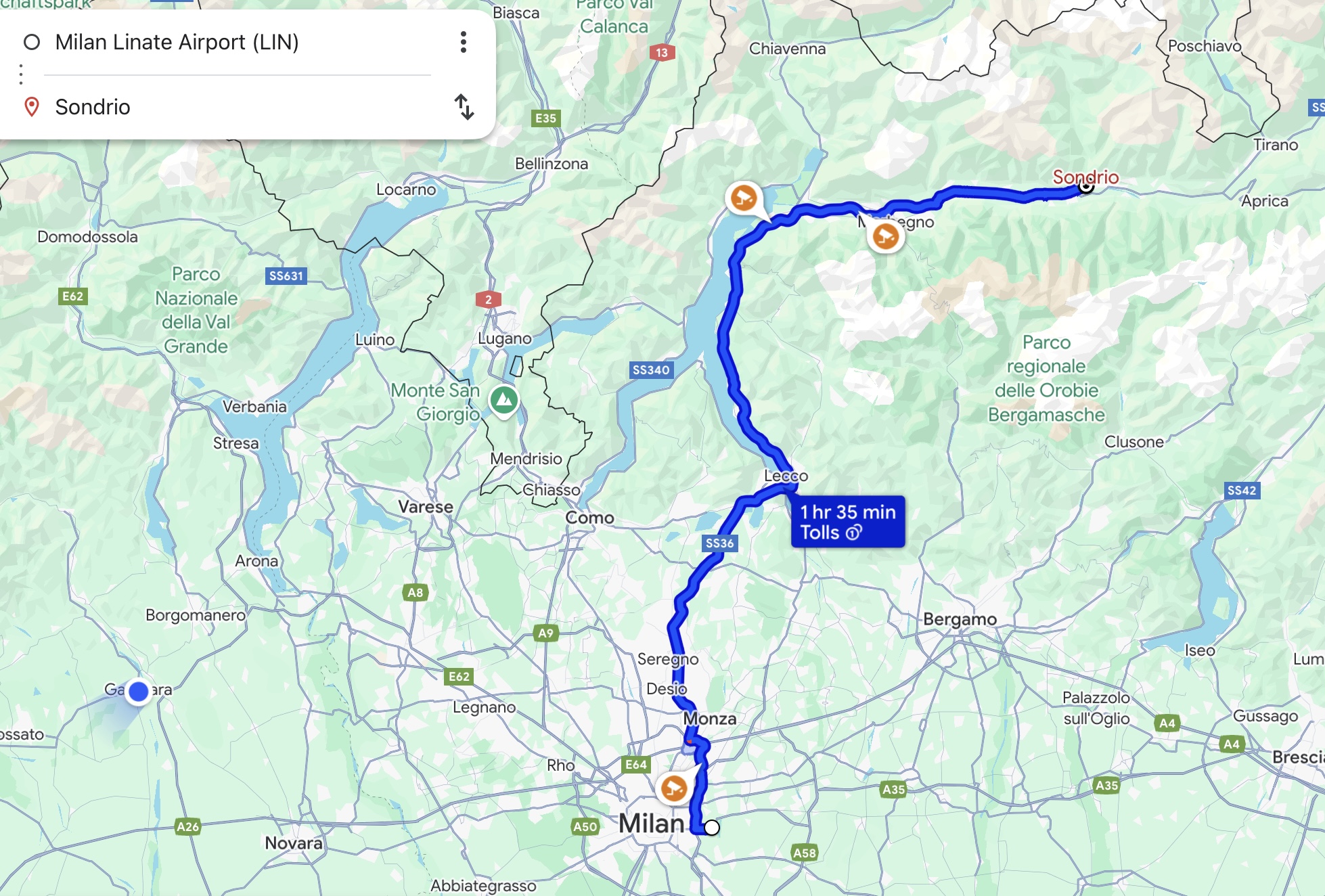
We turned E at the top of the lake and entered Valtellina, driving for Sondrio and the Hotel Vittoria (which we had mistakenly booked twice!) arriving at 19.35. The Trattoria Olmo on Piazza Cavour was recommended by the receptionist. After a short walk and detour via Piazza Garibaldi, the centre of this handsome if largely by-passed town, and crossing the impressive Radda river we arrived at the busy trattoria, and tucked into risotto and vegetable soup, chicken, and venison with polenta. This was the first proper meal I had eaten all week. We were asleep by 22.30.
Friday 7 March
Another beautiful day ! (The sun has shone across Europe for a whole week, creating abnormally warm conditions and tempting spring growth; a worry for growers!)
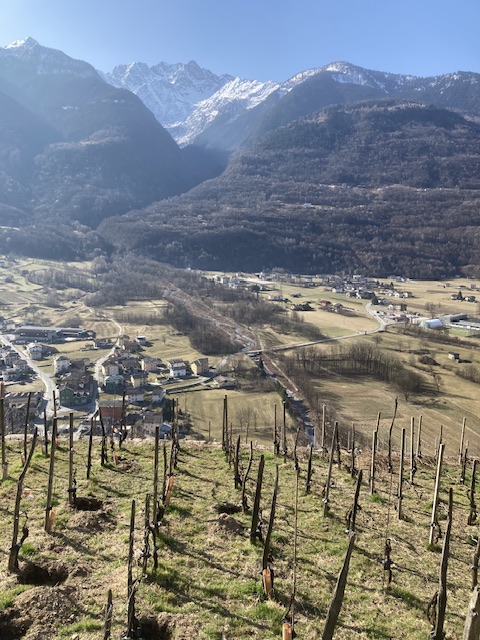
Breakfast was better than in many Italian hotels and by 09.00 we were heading due east on the SS 38 along the river, aside the railway. The flat valley, with some evidence of arable and pasture farming alongside dense housing and business parks and historic buildings from its earlier industrial past (cloth mills; engineering, machinery etc) is surrounded by steep rising mountains, on whose south-facing slopes are thousands of terraces, and 2,500 km of supporting walls bearing tiny historic vineyards at impressive heights.
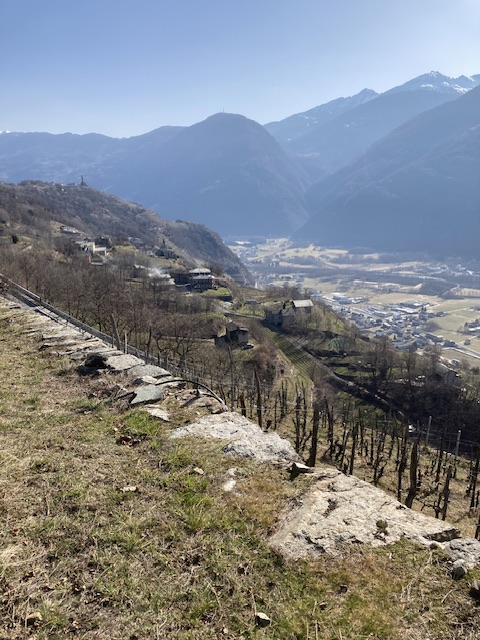
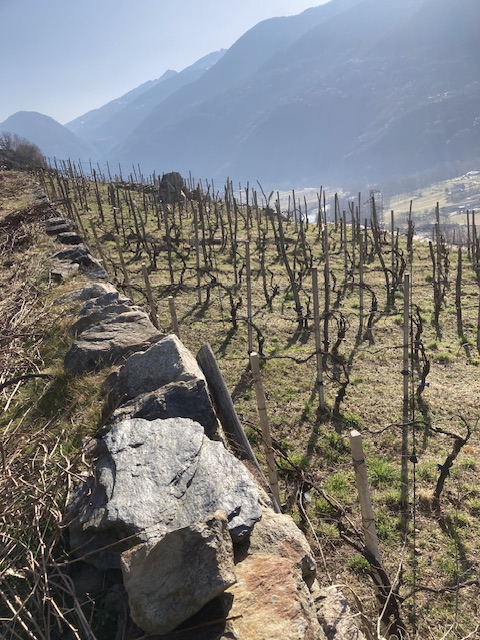
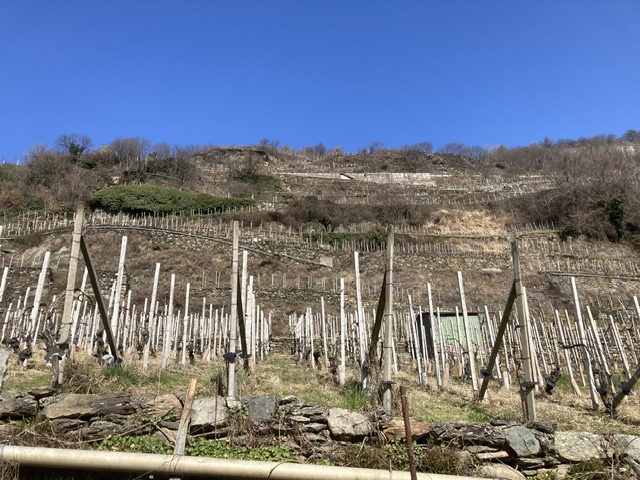
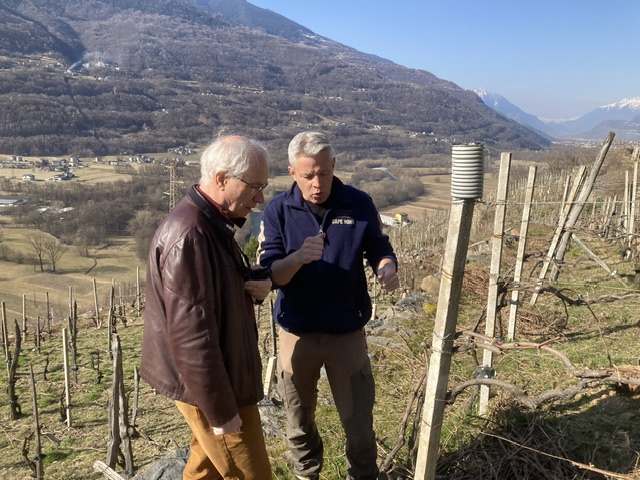
We arrived at Barbacàn at 09.30 to meet Luca and embarked on a tour of the family vineyards, some dating back to 1920 in a 2004 four wheel drive Fiat panda, essential for these minute rough tracks, steep slopes and horribly tight bends that climb to 500 – 800 m high terraces. I had to close my eyes and cling on. All vineyard work is done by hand by Luca and his brother. They have no need to workout at gyms or take up running. The physical work is incredibly demanding.
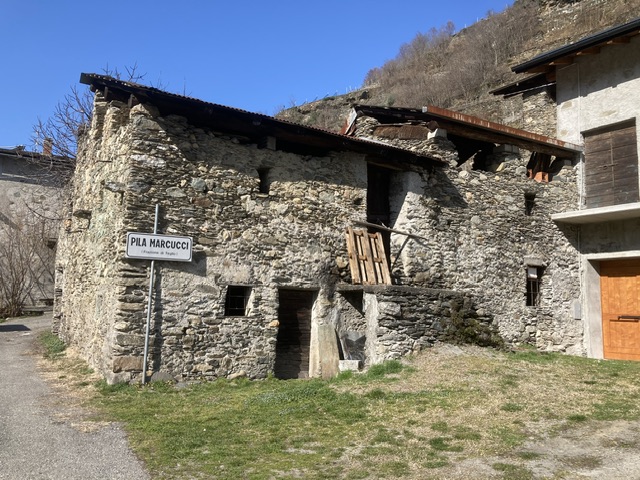
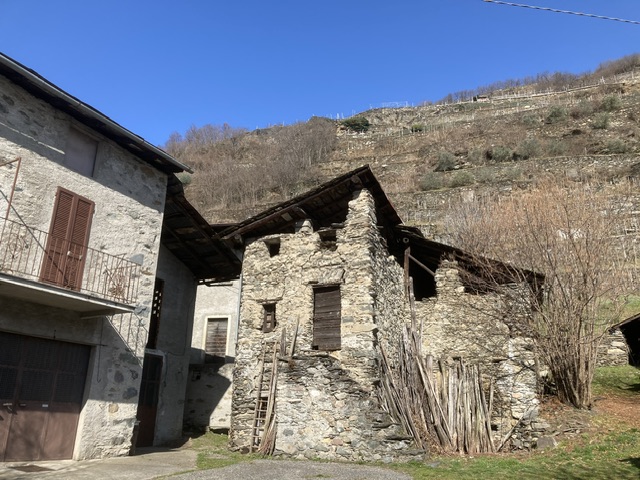
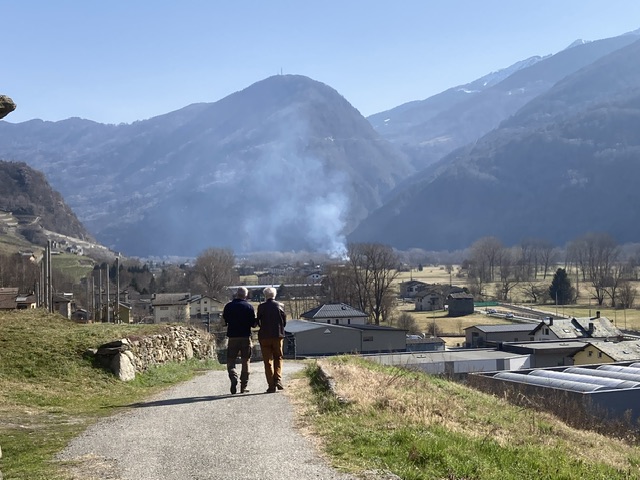
The views were spectacular; the light bright and the vines recently tidied up ready for the new year. Luca took us to the now abandoned family home with its primitive cellar and pig sty, the pear and apple trees still producing fruit for the family.
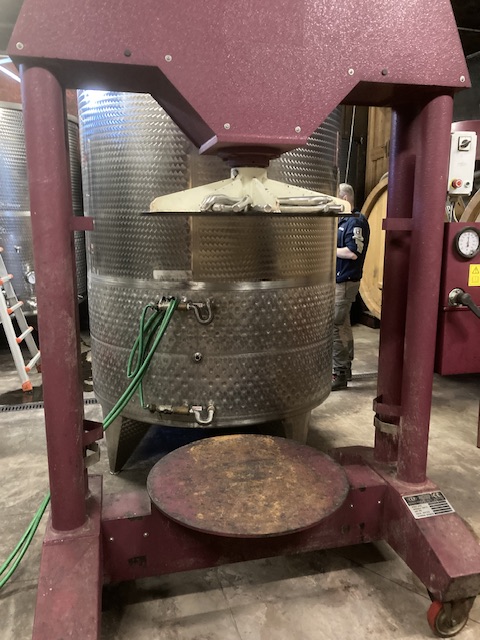
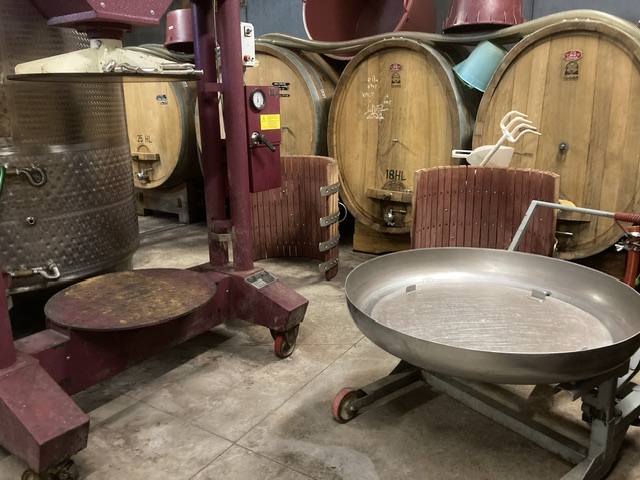
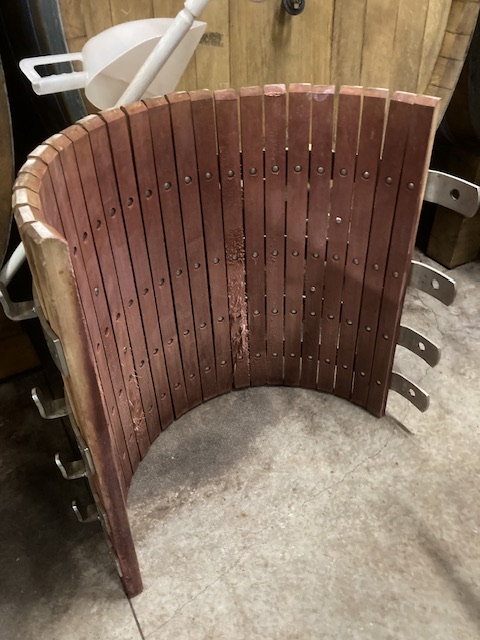
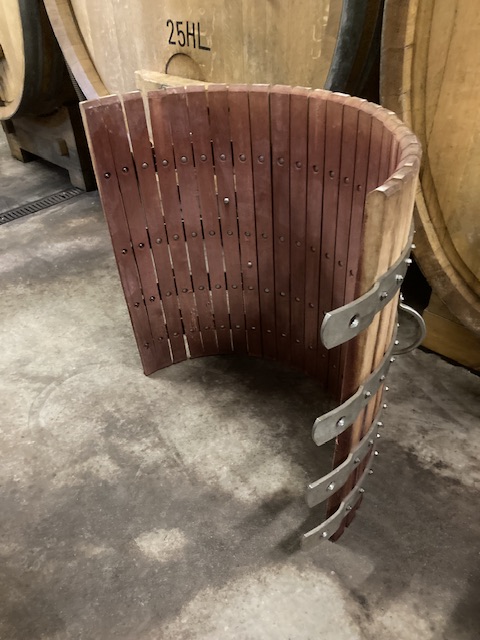
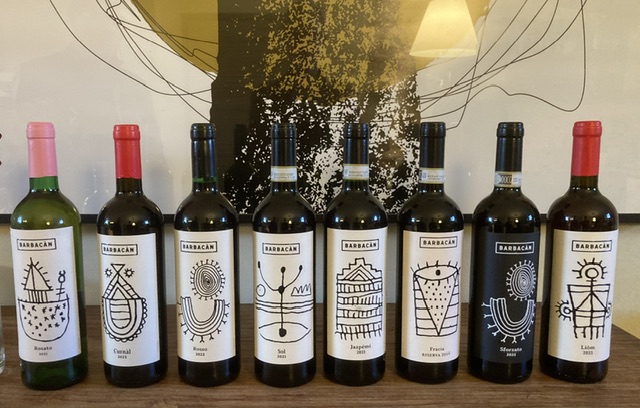
Matteo joined us briefly in the tasting room, after we had been shown the amphorae and the cantina proper, with its traditional basket press conveniently dismantled; see slideshow below. We tasted the Rosso, Söl Livèl and Sforzato (a passito) all of which were delicious, with each increasing in seriousness and finesse. Luca is committed to the traditional management of vines and making of wine practised by generations of his family, to let the wine live.

His mother, whom we didn’t meet, but lived in the house above the cantina on the valley floor, had cooked Pizzoccheri for our lunch, a delicious local dish made from buckwheat pasta with potato, cabbage, garlic and a very delicious local cheese, which arrived in the tasting room as we finished discussing the wines.
It was a lovely afternoon, and I drove back to Sondrio, parked the car opposite the Hospital and walked into the old centre this time from the other direction, booking supper at Il Locale and having a coffee and a thé a limone at a local cafe, before returning along the road to ArPePe, for 15.00. Nearby, but not near enough to walk, is the much lauded ristorante Trippi (which I’m sure would need advance booking)

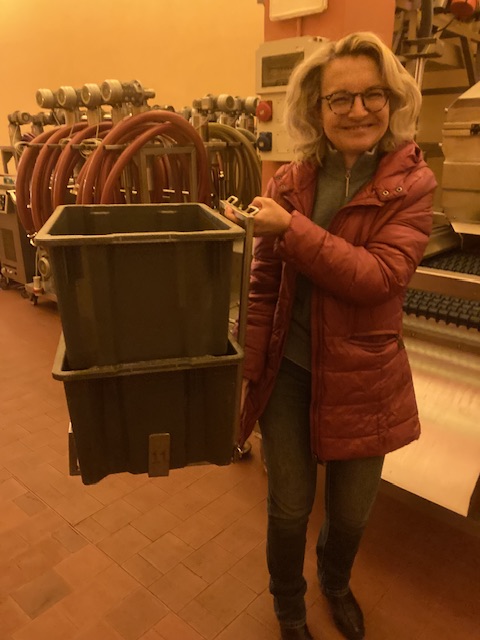
We learned from Isabella (above) that ArPePe is the trading name of a family whose fortunes shifted dramatically in the 1980s with the grandfather’s decision, in the face of failing health, to sell most the business, the brand, the winery buildings but not the vineyards to enable a fair distribution of resources to all the family members. His son Arturo, Isabella’s father, continued to work the vineyards, and whereas most of the huge cantina was demolished, and built on, the cellar built into the side of the mountain remained intact and was eventually repurchased and reused.
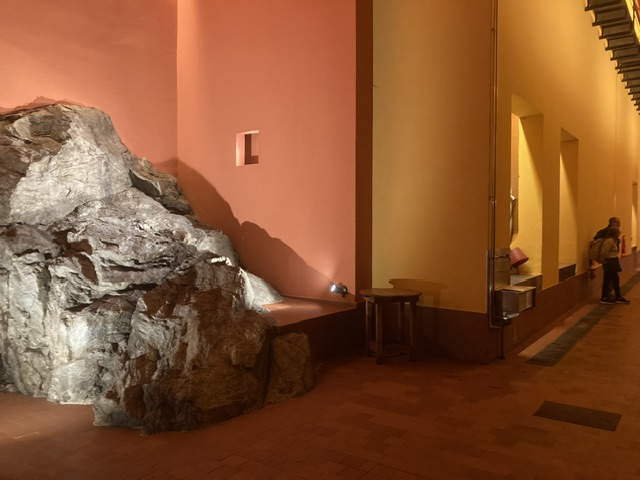
There remains a outcrop of the mountain side itself within the cellar, out of which water oozes – a reminder of just how much water is available to them at the foot of these steep slopes.

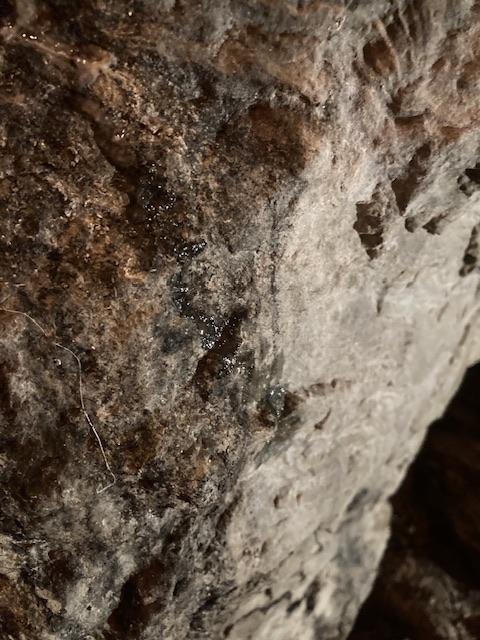
Arturo’s three adult children now work the vineyards and the cantina. The engineer of the family (following his mother’s family’s experience as builders) has enlisted european funding and government finance to install extraordinary eco-friendly technologies for temperature control taking advantage of massive underground water stores; nitrogen capture and carbon dioxide absorption. The cellar is huge and newly restored; the equipment has capacity that far exceeds production. This is a very ambitious business.
Isabella greeted us and two NewYorkers, and took us into the newest terraces which form the roof of the cellar, newly designed and constructed. Their roots are shallow, and will be encouraged to grow horizontally. Above were the established, narrow terraces, supported by huge stone walls, whose origins belong in an era when men laboured for decades to establish these precious horizontal spaces.
How do they calculate the number of hectares under vines? So many tiny parcels, stacked up against the steep hillsides? Behind our hotel (LHS below)is part of their great Sassella vineyard with its ESE facing slopes.
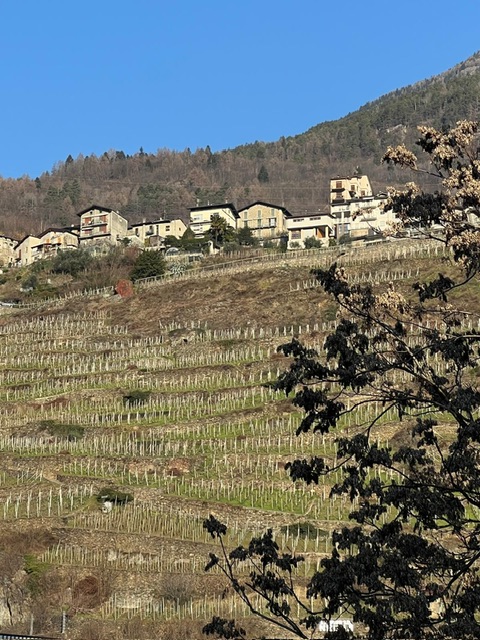
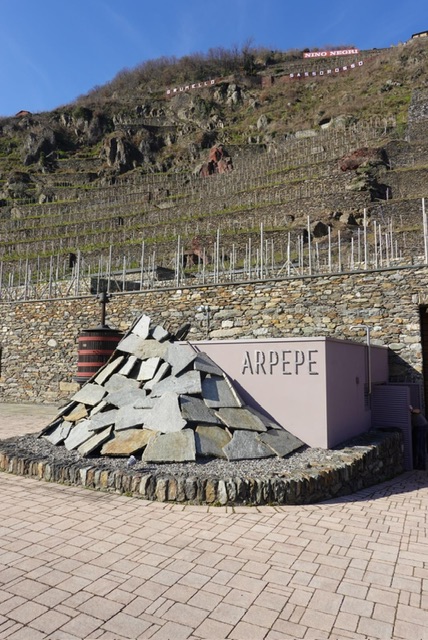
The tasting was measured and informative. We hope to visit Isabella at VinItaly and taste her wine again in Gabriele Gorelli’s presentation The Grammar of Tannins.
In Il Locale we ate large plates of artichoke pasta and tagliata con funghi, having first managed to order spinach and grilled vegetables as starters, to the lack-lustre waitress’s surprise. The volume was overwhelming, though the quality was good enough. Eating out is a challenge!
Saturday 8 March: International Women’s Day!
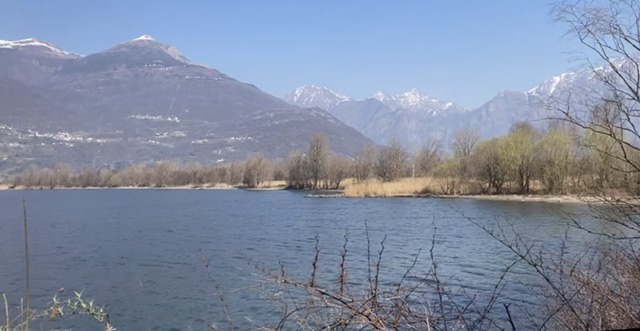
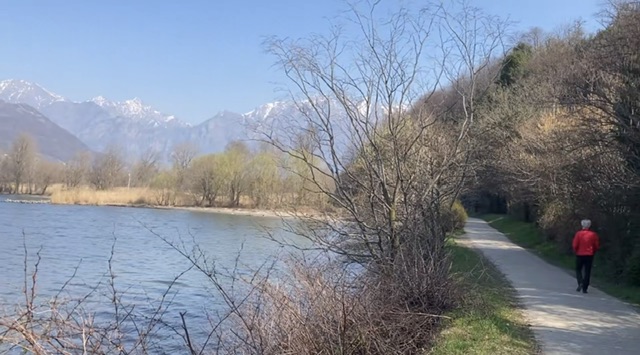
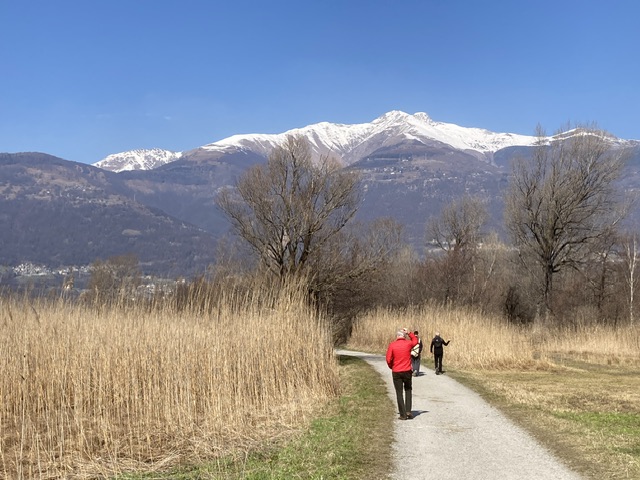
We slept quite well, ate a sensible breakfast and departed Sondrio on the dot of 10.00 en route for Colico, a small and ordinary town towards the head of Lake Como about which we had read in the Guardian; a sort of ‘quiet little spot without too much attention paid it’. Indeed it is – and on a sunny warm March day it was gorgeous, as the photos show.


David had found the equally ordinary hotel Risi on the very lakeside with fabulous bedroom views of the sunlit lake and mountains, and a charming lakeside path, which one could use to walk – or cycle – back through Valtellina to Sondrio and beyond. We arrived soon after 11.00; after parking the car in the curious hotel carpark (when are they not?) our room was ready. Astonishing!
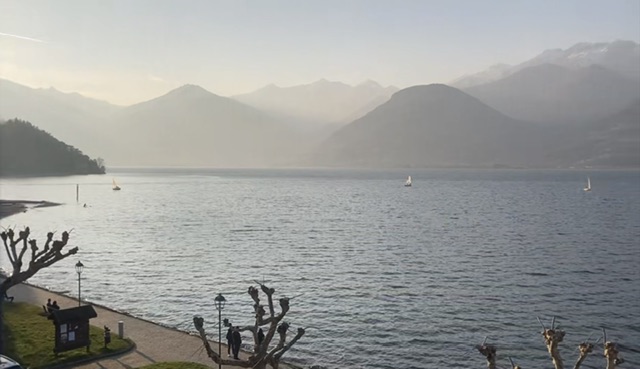
We walked for an hour or so with many italian families making the most of a sunny weekend, and then struck inland, under the railway line (hourly service from Milan!) at the station to reach the via Roma, a busy narrow through road, from which we spied the sophisticated Capolago Locanda con Cucina.


Here we had one antipasto (frutti di mare), one primo (gnocchi e funghi porcini) and one secondo (polpo) all beautifully done. However the waiter blew it by offering David not one, but two red wines masquerading as some else, and certainly not from Valtellina. I enjoyed two glasses of Incrocio Manzoni.
We had a brief snooze, set off again by the lake but in the other direction in the lowering afternoon light, returning to the hotel to use the breakfast room with its panoramic view of the lake to write up our respective accounts, as daylight faded and the street lights of the opposite shore twinkled.
Sunday 9 March
We left the hotel around 10.30 to drive to Gattinara, via the northern edge of Lake Como to take the windy road south through the many settlements on the western side to first Menaggio, and on towards Como itself. The road is narrow as it passes through dozens of settlements perched on the lake’s shore line below precipitously steep rock faces, reminiscent (almost) of the Amalfi coast especially in terms of its popularity. Sunday cyclists and drivers were out in force.
We were last in Menaggio in August 2001, shortly before I began my new role as Deputy Head of St Swithun’s School. It’s also a favourite destination of my sister Hilary, and her husband Declan.

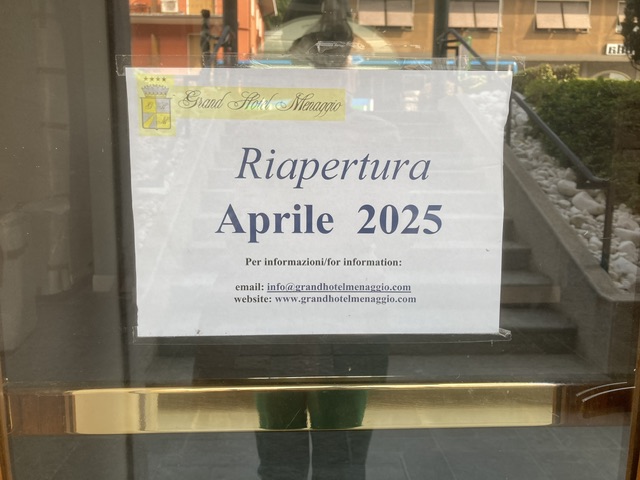
Our plan to stop for coffee at its Grand Hotel was thwarted by major renovations, so we resorted to a very basic cafe alongside the ferry terminal.
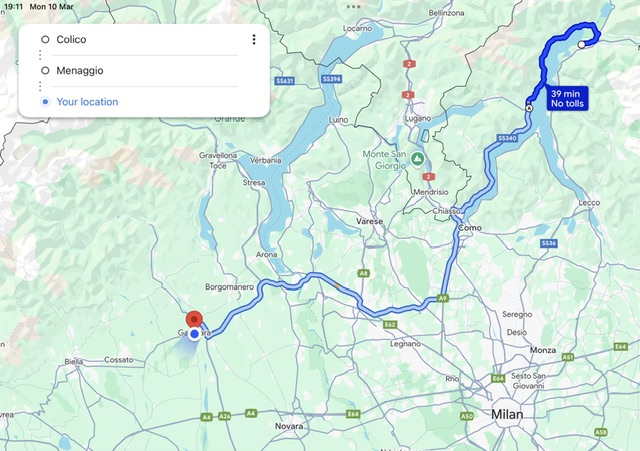
We drove slowly on towards Como on the A340, to pick up the A9 and then the A36, E62 and finally the A26 to Gattinara, arriving shortly before 14.00, where we parked in the large public car park behind Il Vigneto. We settled for two tranche di pizza for lunch, before walking our cases to La Pitta bed and breakfast, letting ourselves into the first floor apartment within the prettified yard, close by their little ristorante. We have despaired of the breakfasts of Il Vigneto!
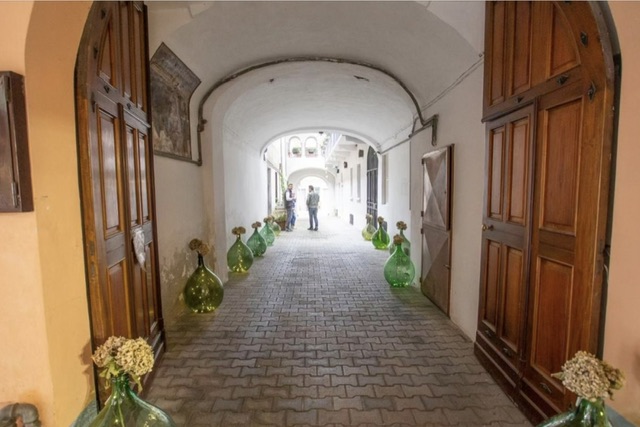
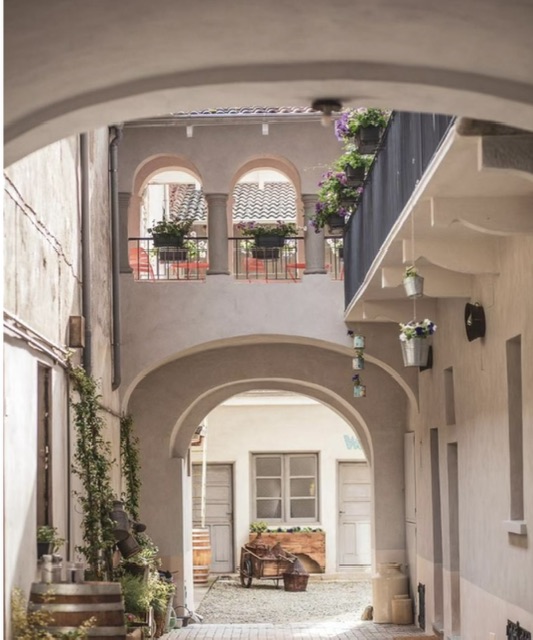
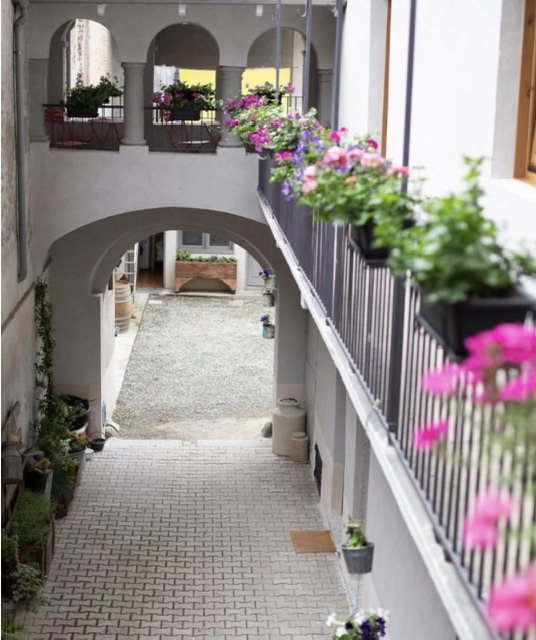
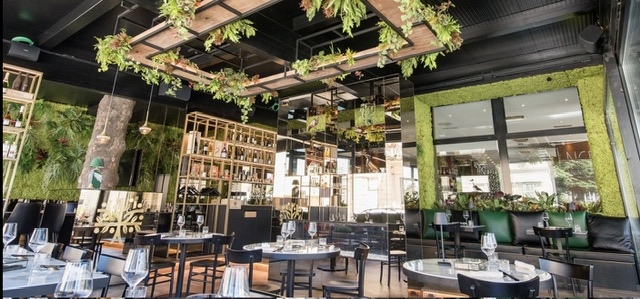
After a quiet afternoon for me, and a slim Chelsea win v Leicester for David, we had a sophisticated supper at Magnolia, an extension of the Cafe Fiorenze, one of the few restaurants open in Gattinara on Sunday evening.
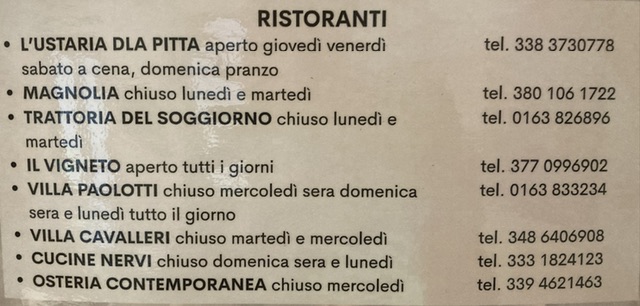
for future reference, here’s a useful list:
 countrymouse