After months – or rather years – of focussing on wine, David and I embarked on a modest re-boot: re-engaging with the rich worlds of art, drama and music; all of which continue to be readily available to us – with a little more time on our hands.
No sooner back from Lisbon, and fired up by its remarkable Gulbenkian, we targeted the Tates – both Britain and Modern, on the last day of September ..
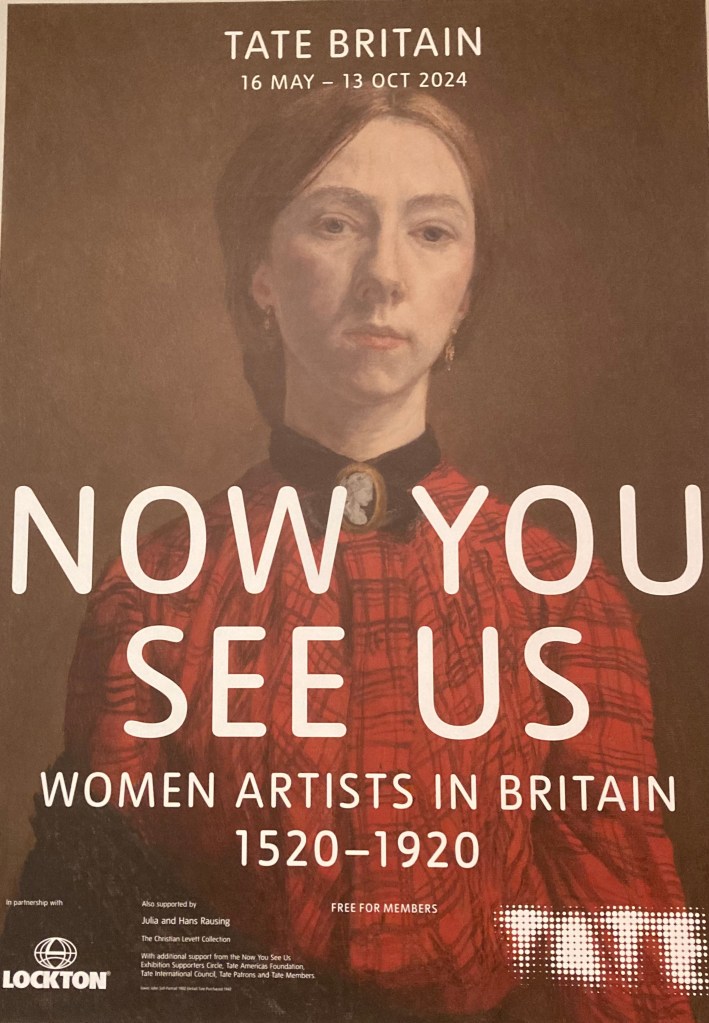
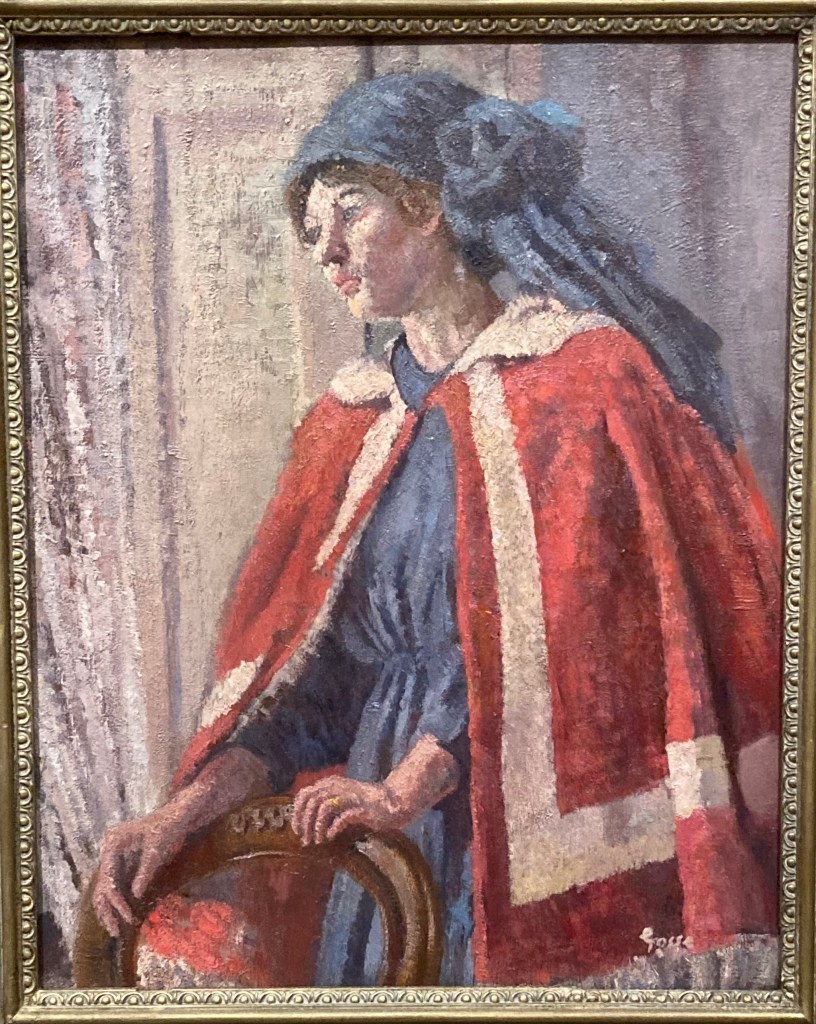
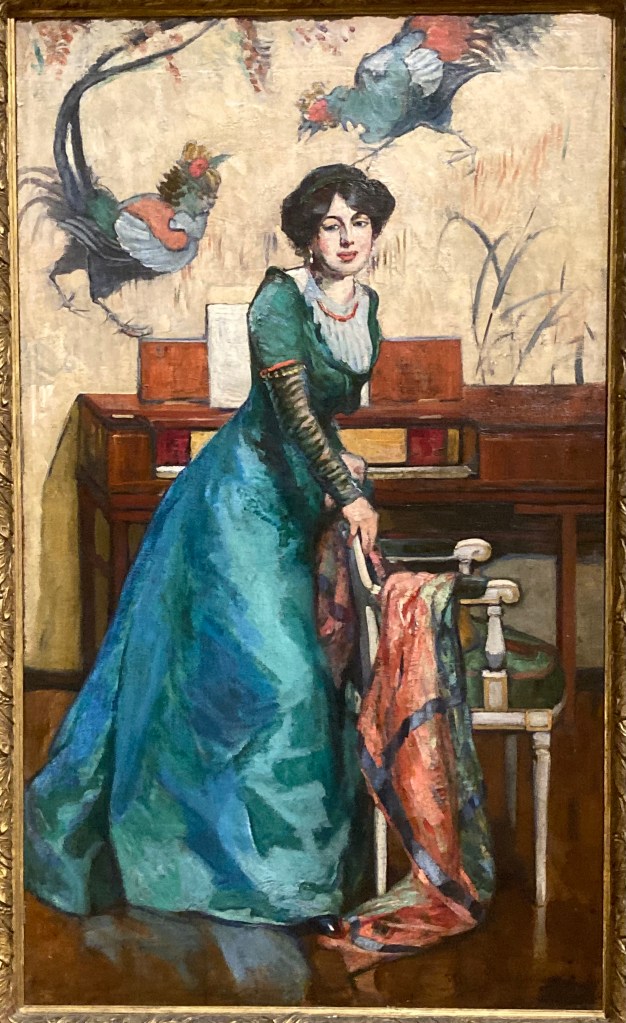
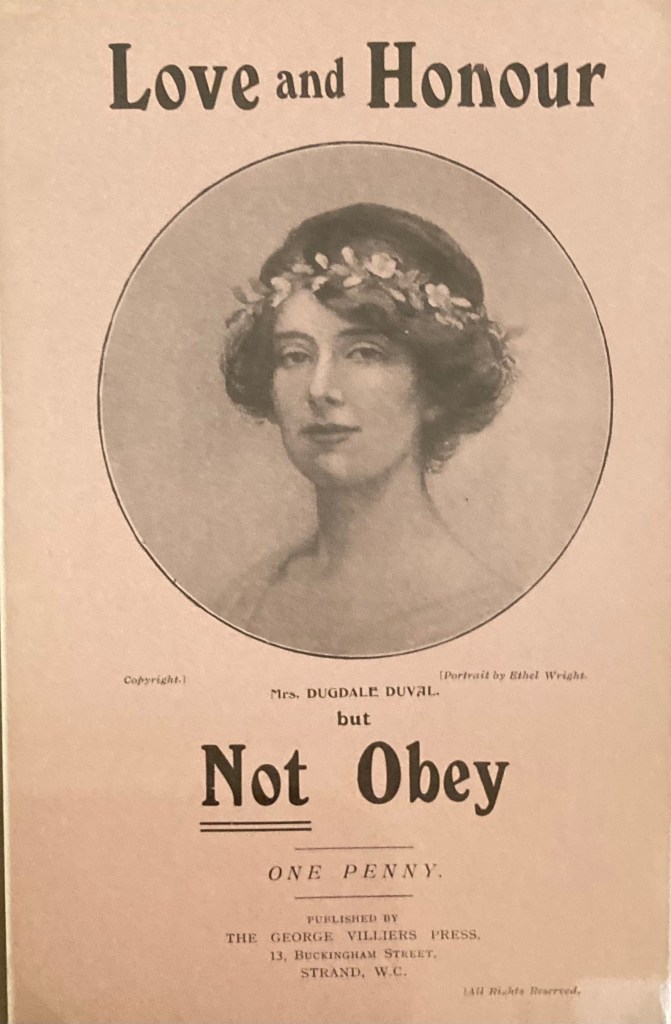
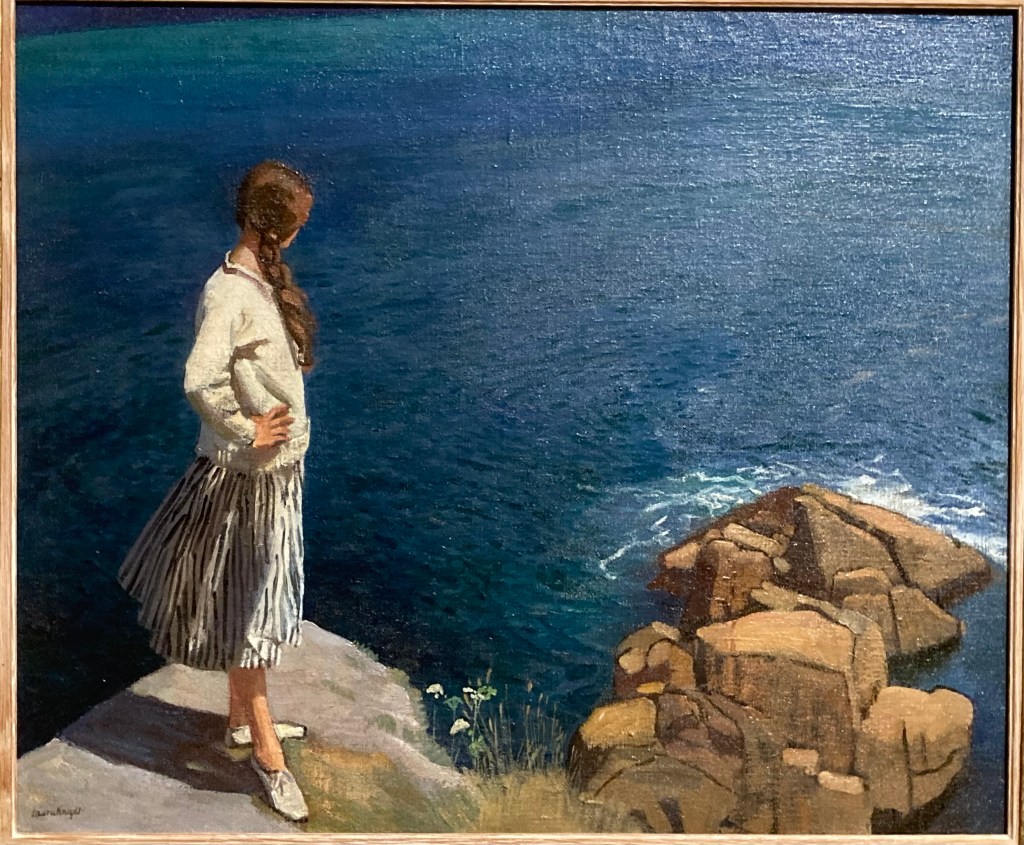
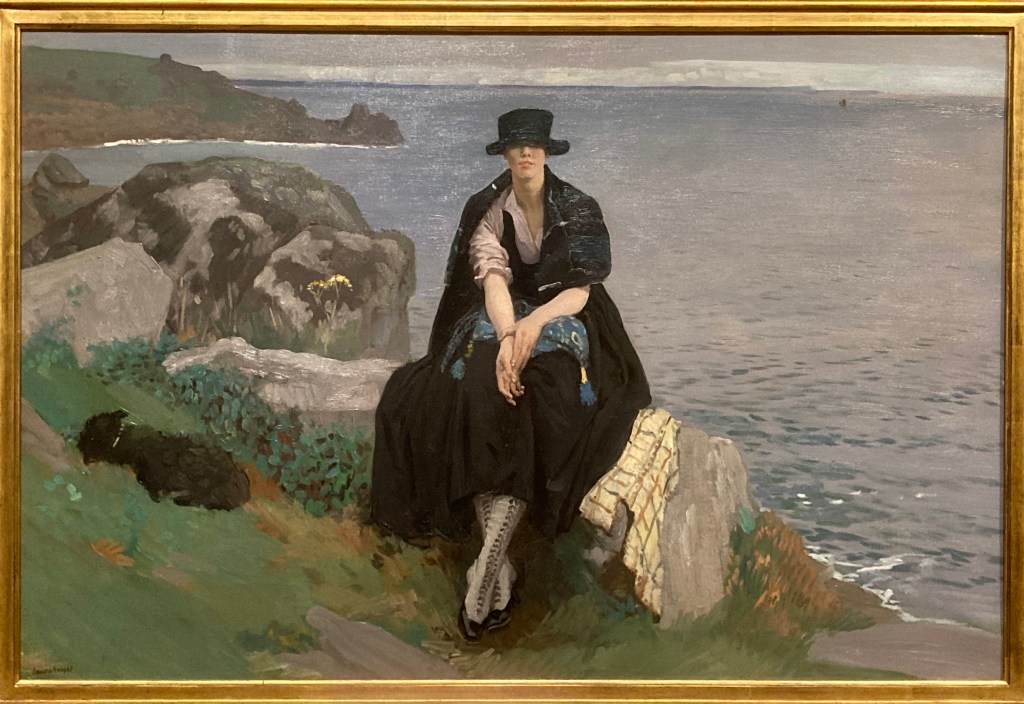
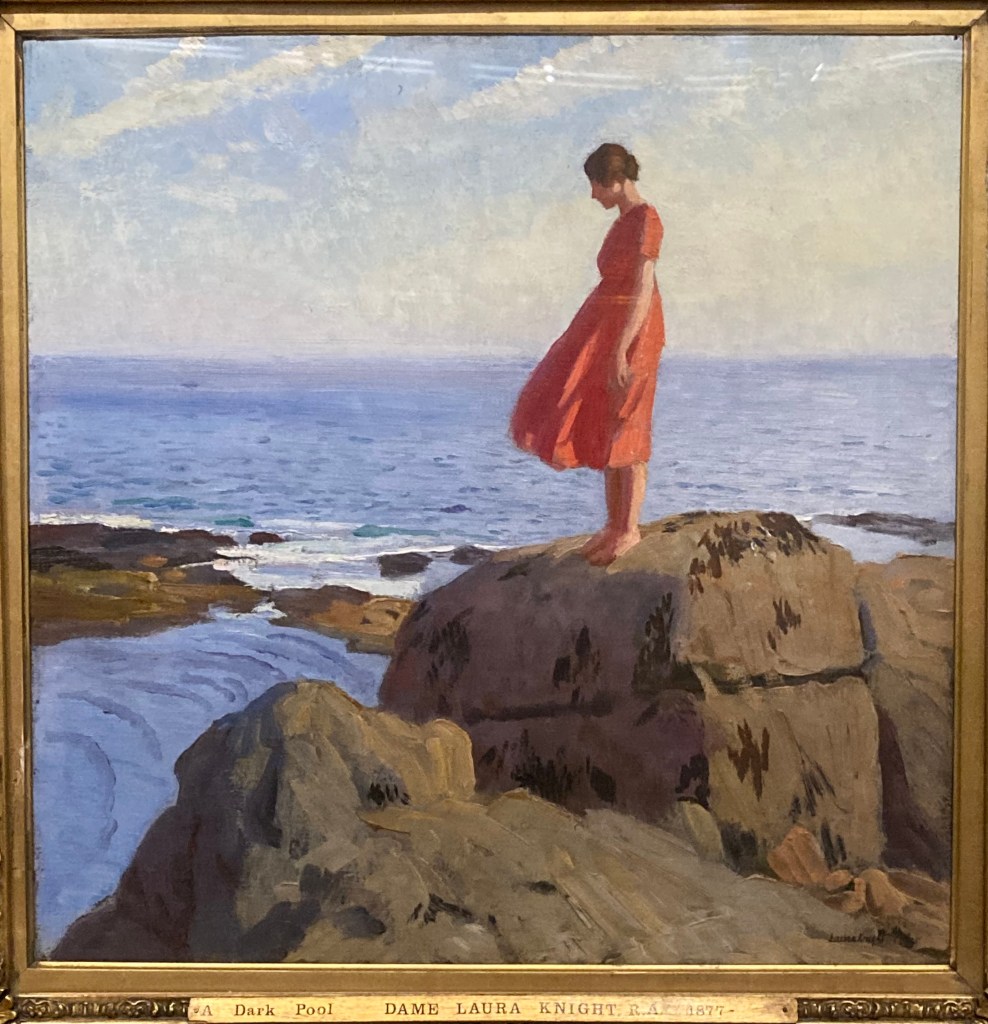
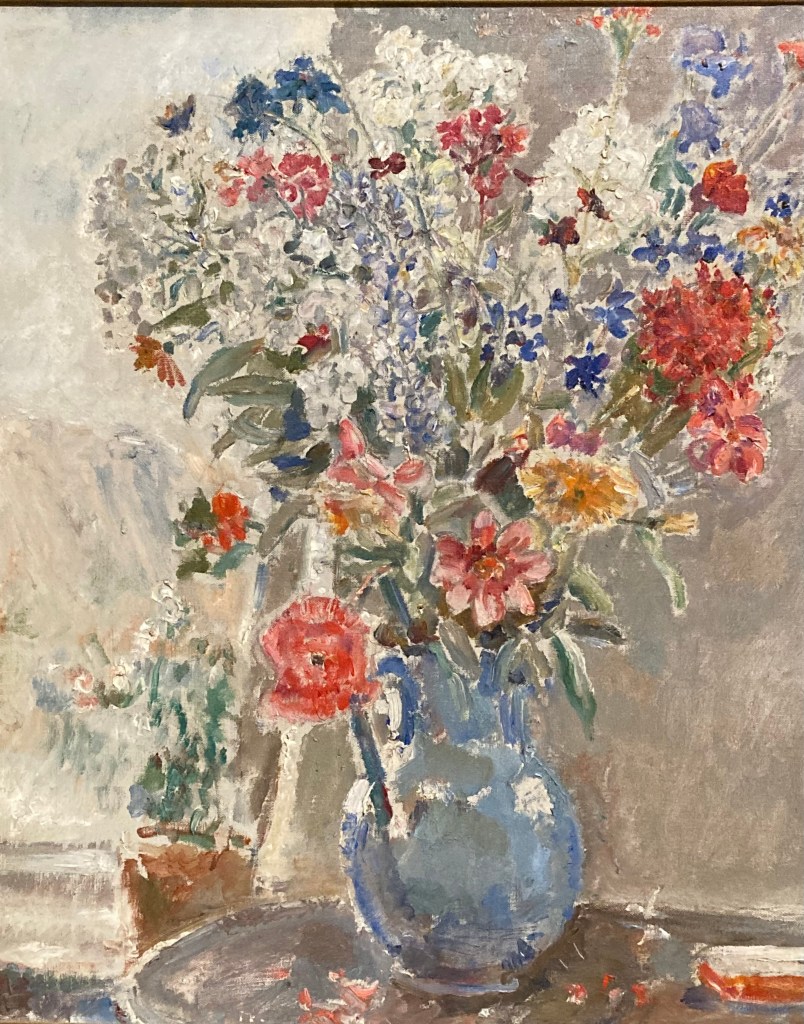
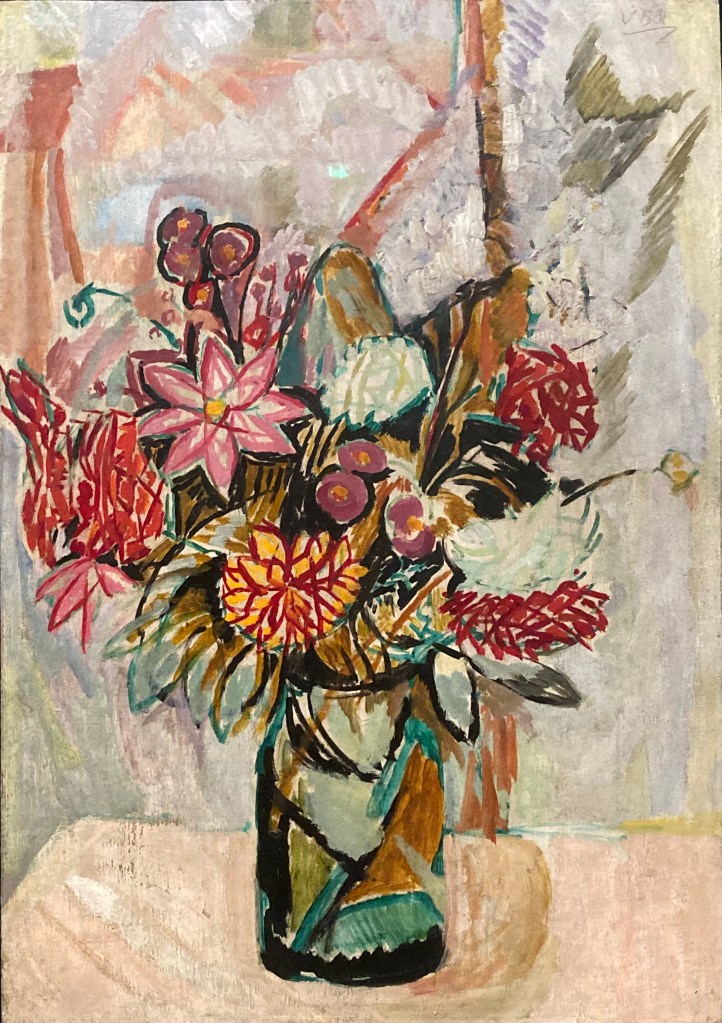
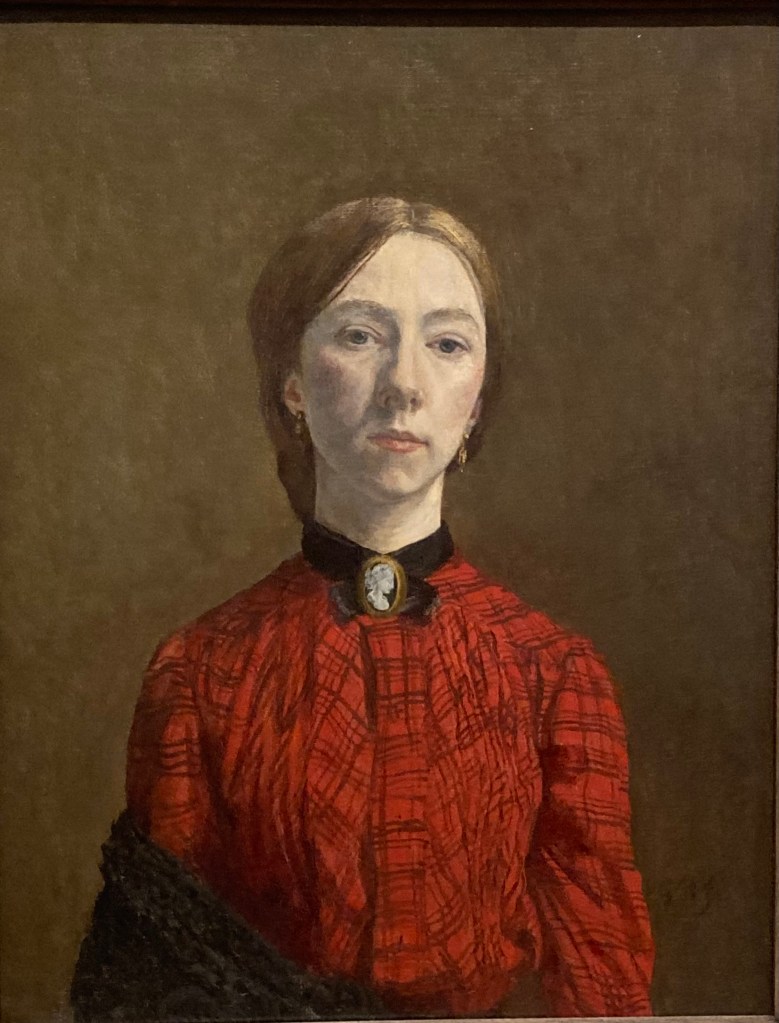
These are a few of the paintings by women assembled Tate Britain’s exhibition.
Of course, there were so many wonderful reminders that women have contributed despite being ignored or excluded ocer five centuries. Those above who really spoke to me are:
2. Sylvia Gosse: The Nurse; (ante 1920)
3. Ethel Wright: The Music Roomn (Una Dugdale) 1912:
4. Pamphlet: Una Dugdale Duval (1912)
5. Laura Knight: At the Edge of a Cliff (1917)
6. Laura Knight: My Lady of the Rocks (c1918)
7. Laura Knight : Deep Pool (c 1908 – 18)
8. Ethel Walker: The Blue Vase (< 1931)
9. Vanessa Bell : Still Life (1912)
10. Gwen John: self portrait (1902)
In for a penny, in for a pound: after a soup lunch, we turned tail and walked back on the footpath along the south bank, past the informal poppy-laden covid memorial painted on the long wall from Lambeth Palace to St Thomas’ Hospital, to Tate Modern, for the exhibition: Expressionists: Kandinsky, Münster and the Blue Rider.
A drink in the members’ area bar of Tate Modern provided a space to change gear, and to remember expeditions with grandchild Luke, and brother Andrew, both of whom I’d spent time with in this space overlooking the wobbly bridge and the glorious St Paul’s to the north.
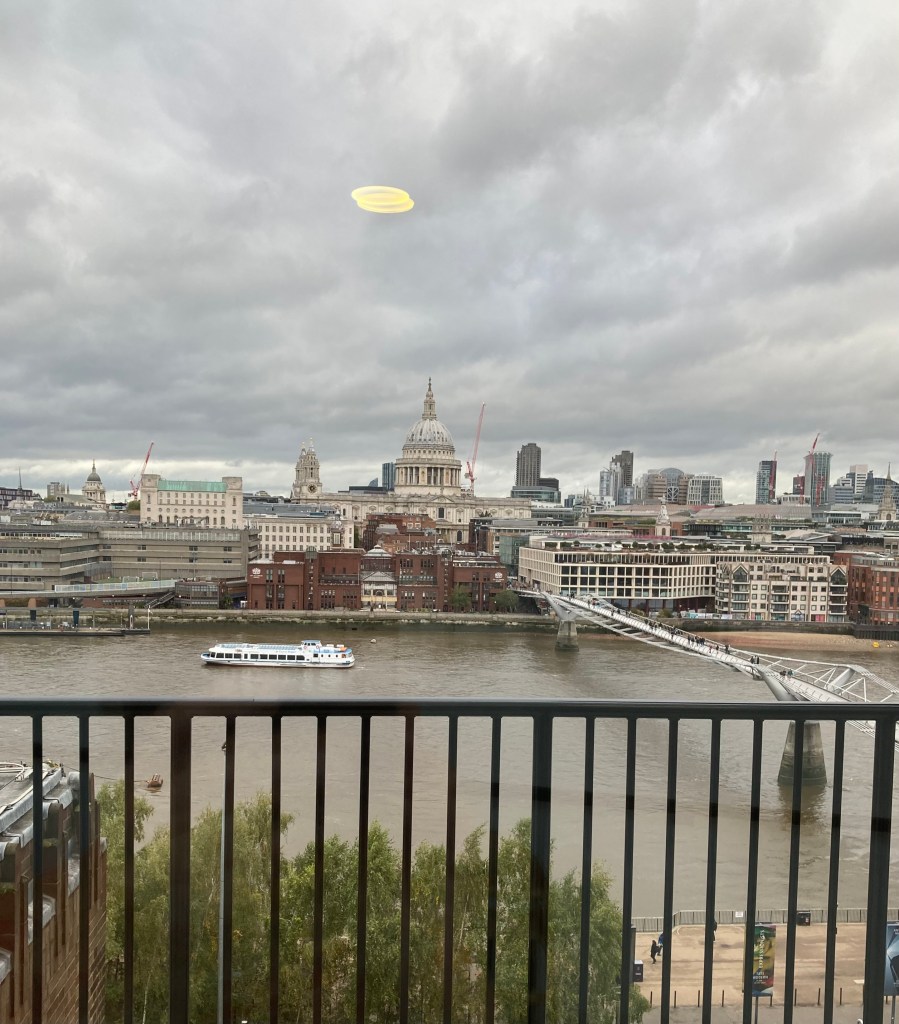
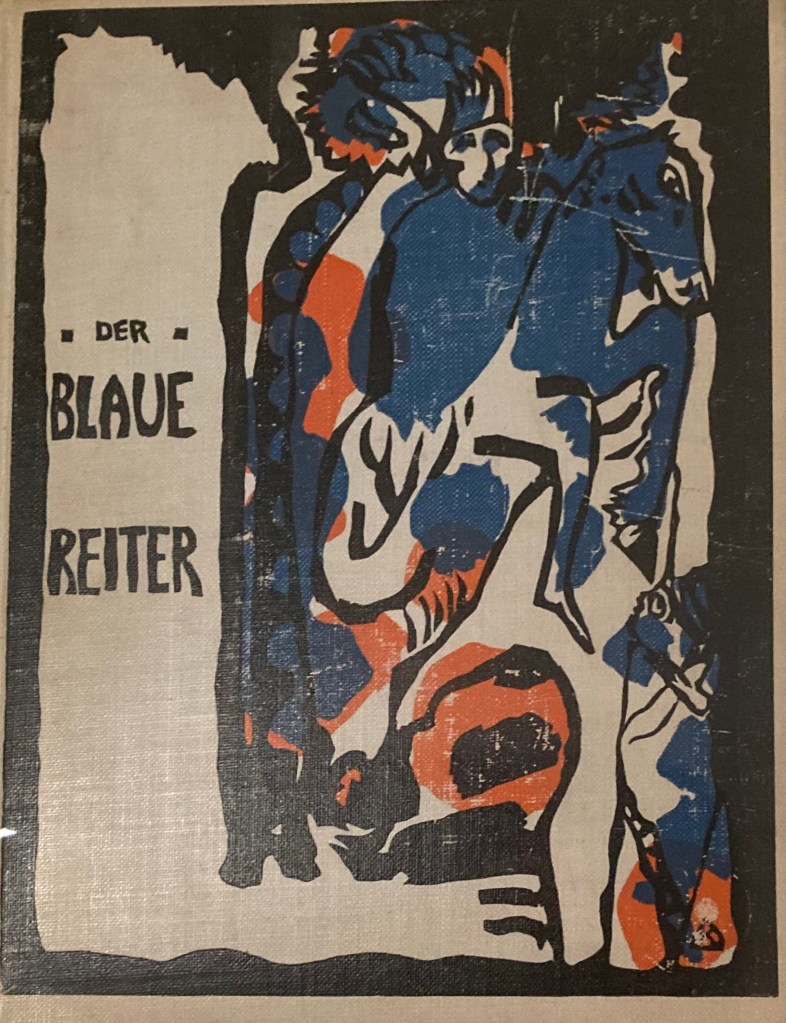
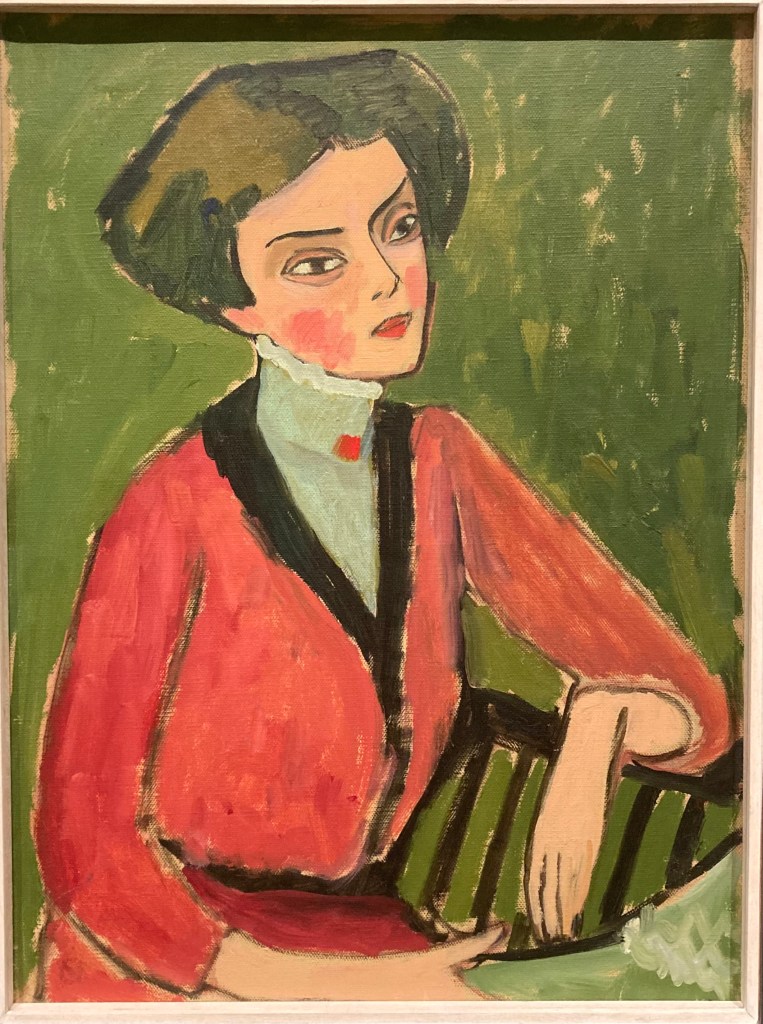
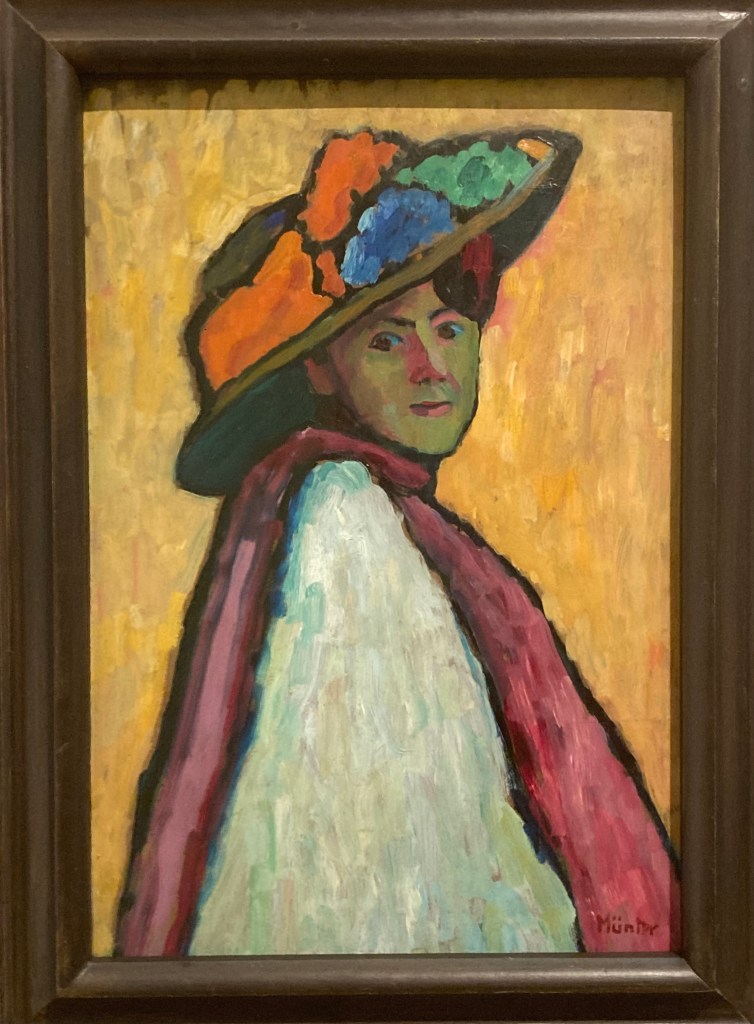
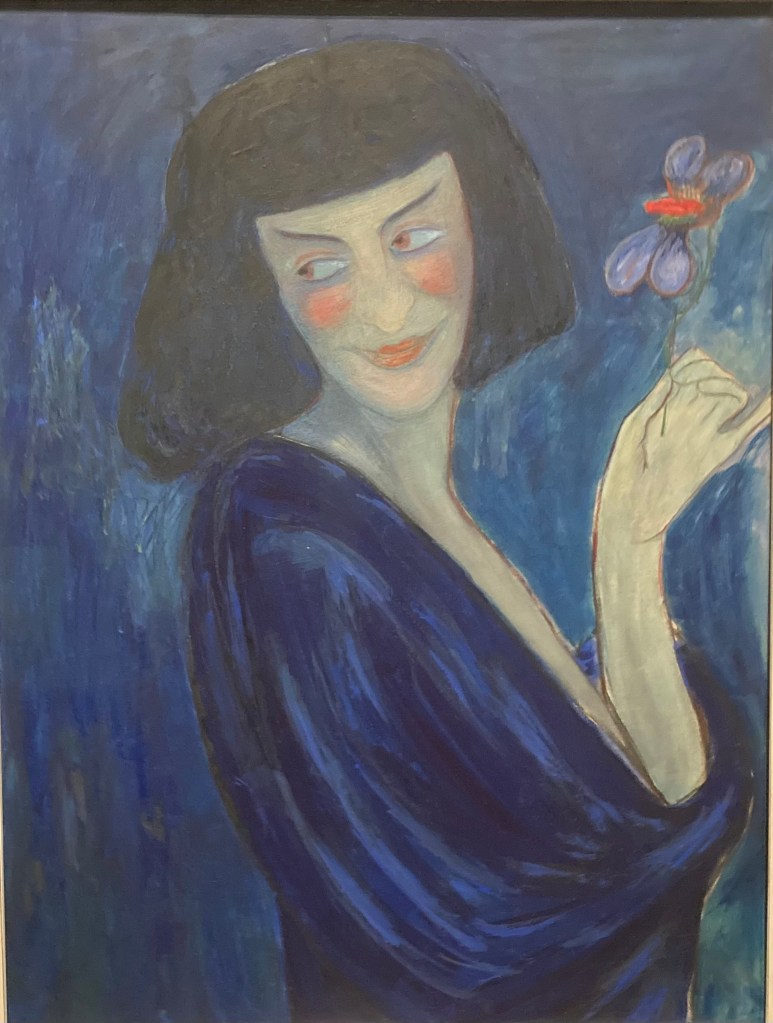
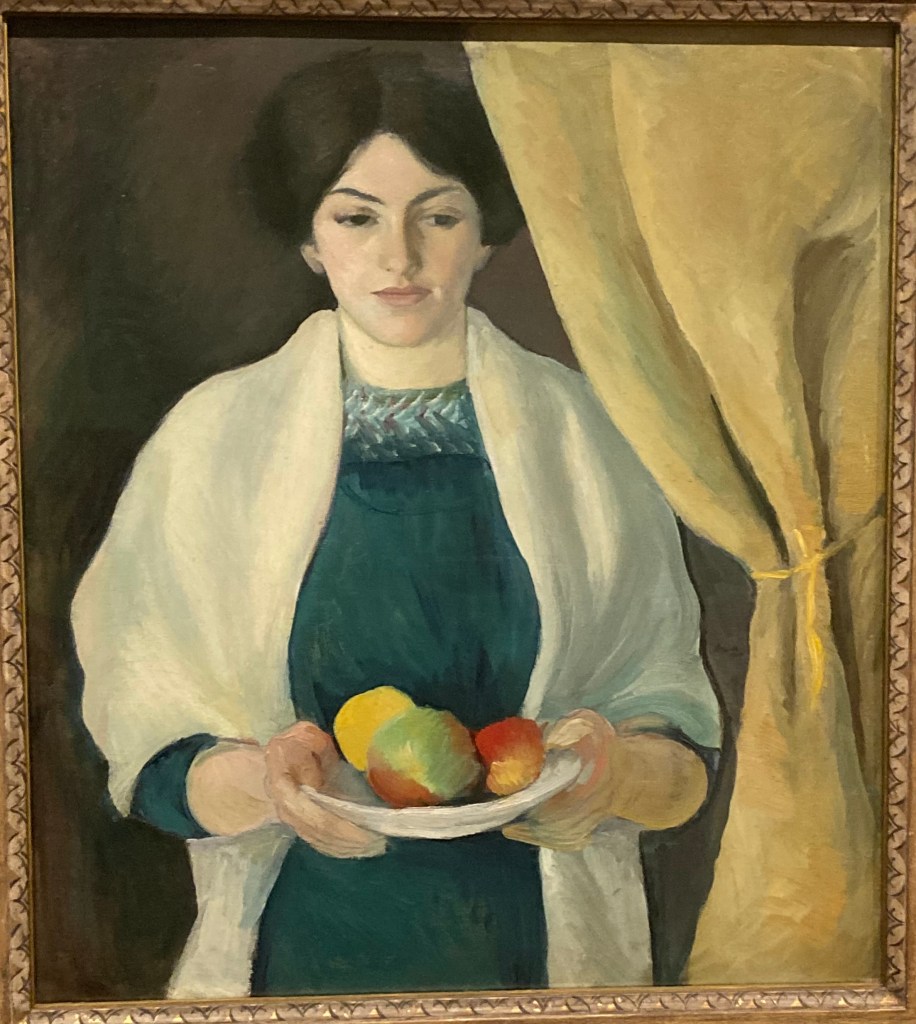
The Expressionists believed in the transformative power of creativity and for a few brief years demonstrated and lived out a radical, experimental and transnational approach. This was extinguished by the outbreak of the IWW in which several of these artists lost their lives.
Nonetheless, these paintings paved the way in the making of European modern art:
2. The Blue Rider collective’s publication
3. Gabriele Münter: Olga Van Hartmann c 1912
4. Gabriele Münter: Marianne Werefkin 1909
5. Marianne Werefkin: The Dancer – Alexander Sacharoff 1909
6. August Macke: Elizabeth with Apples c1909
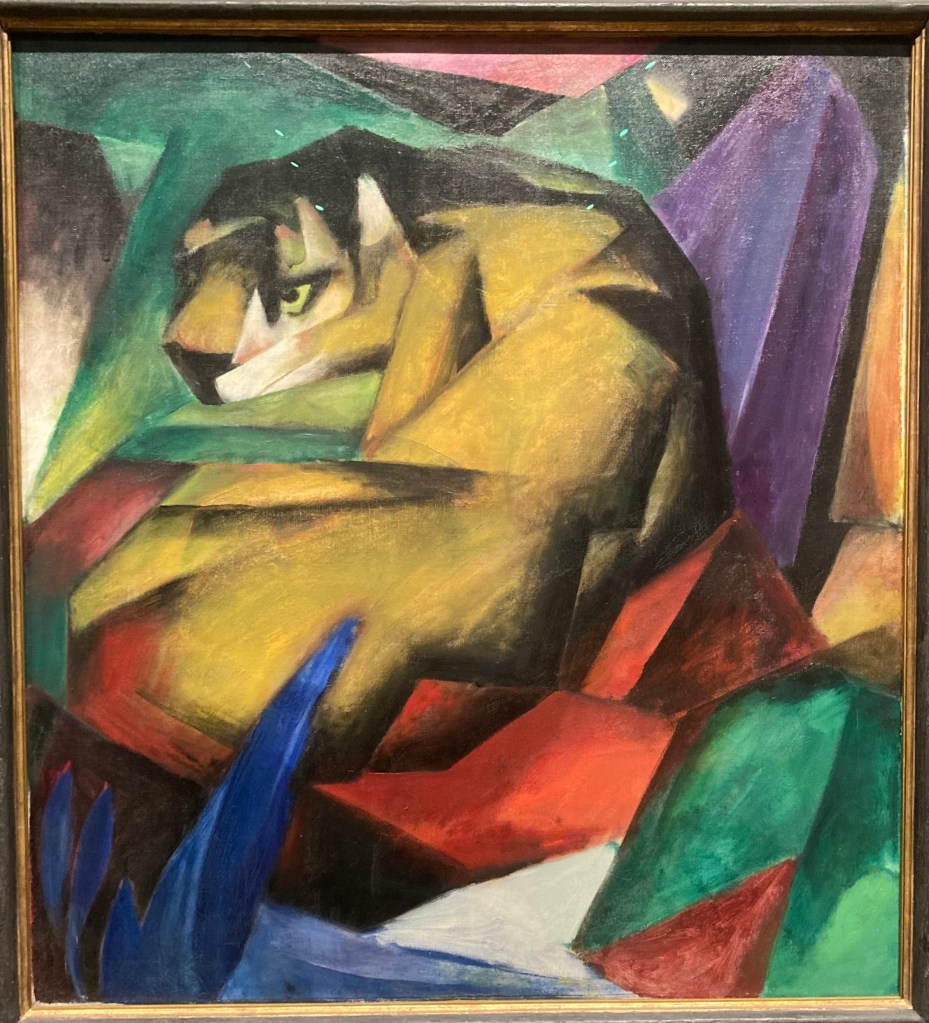
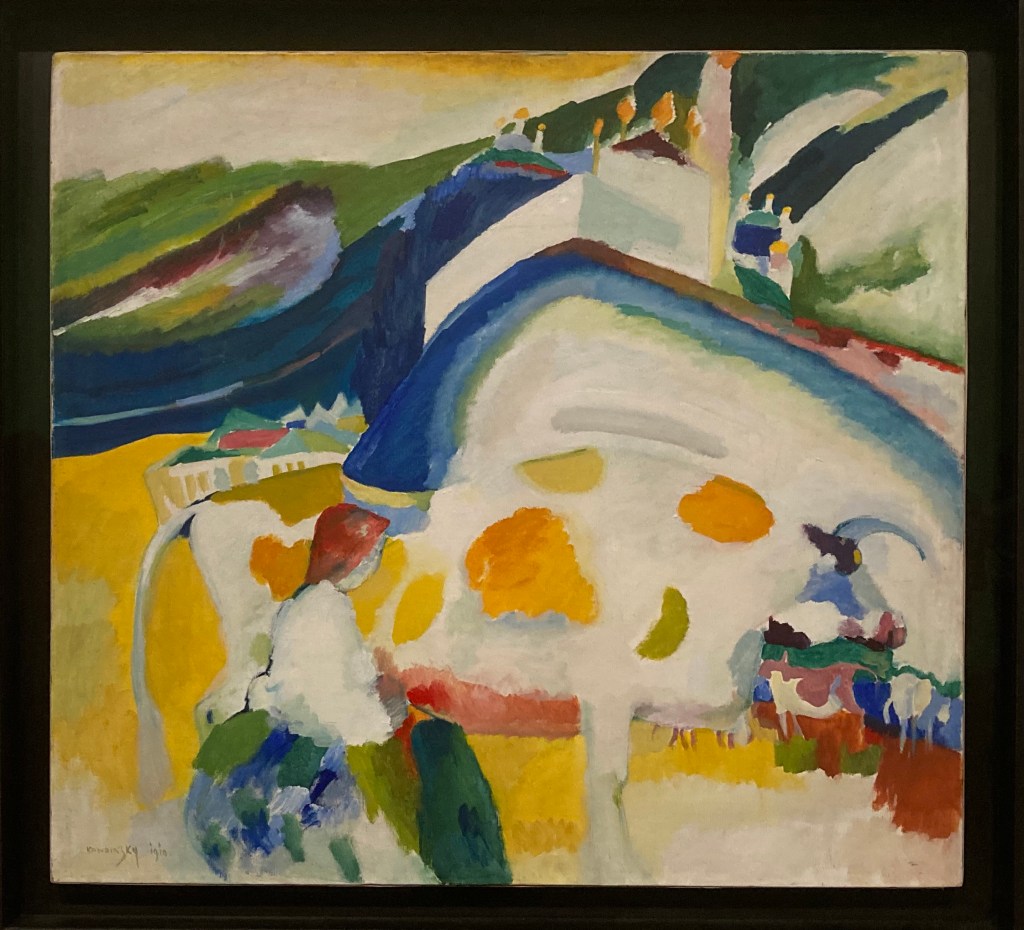
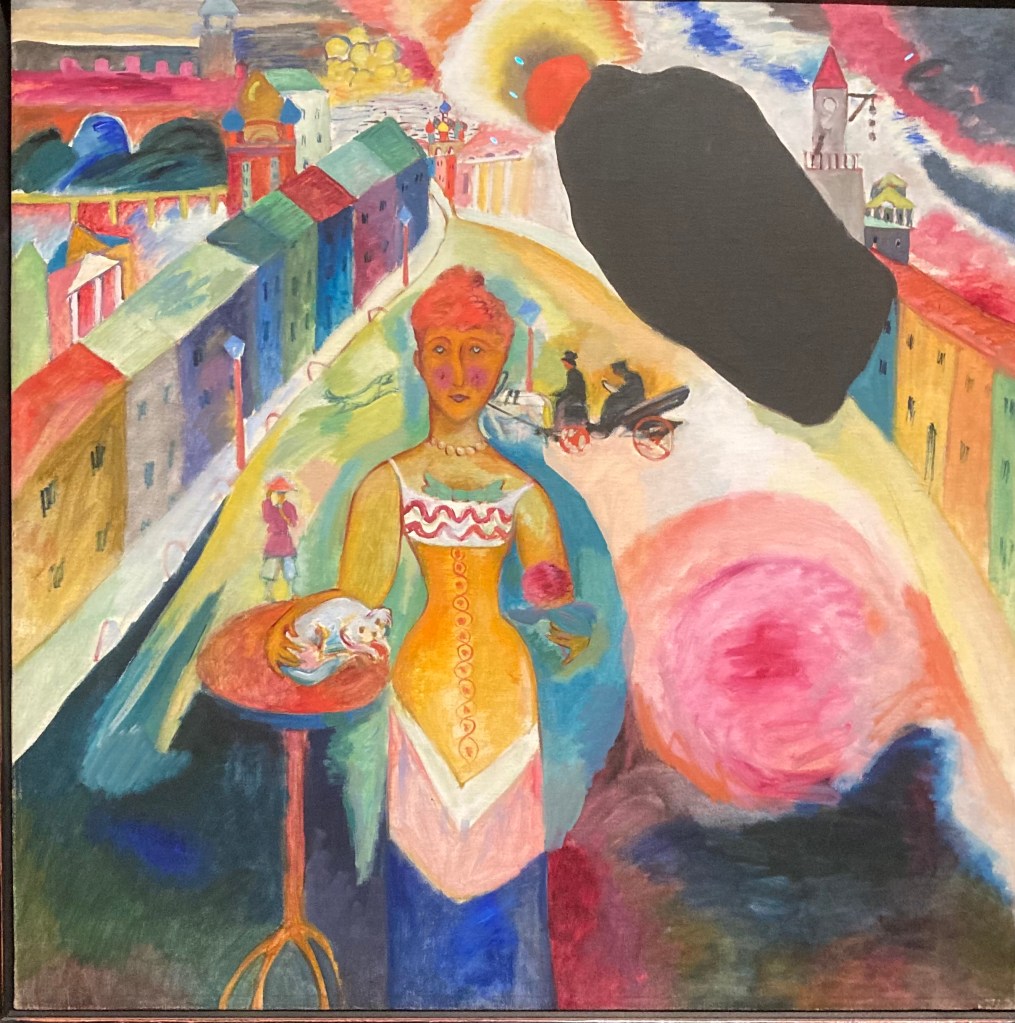
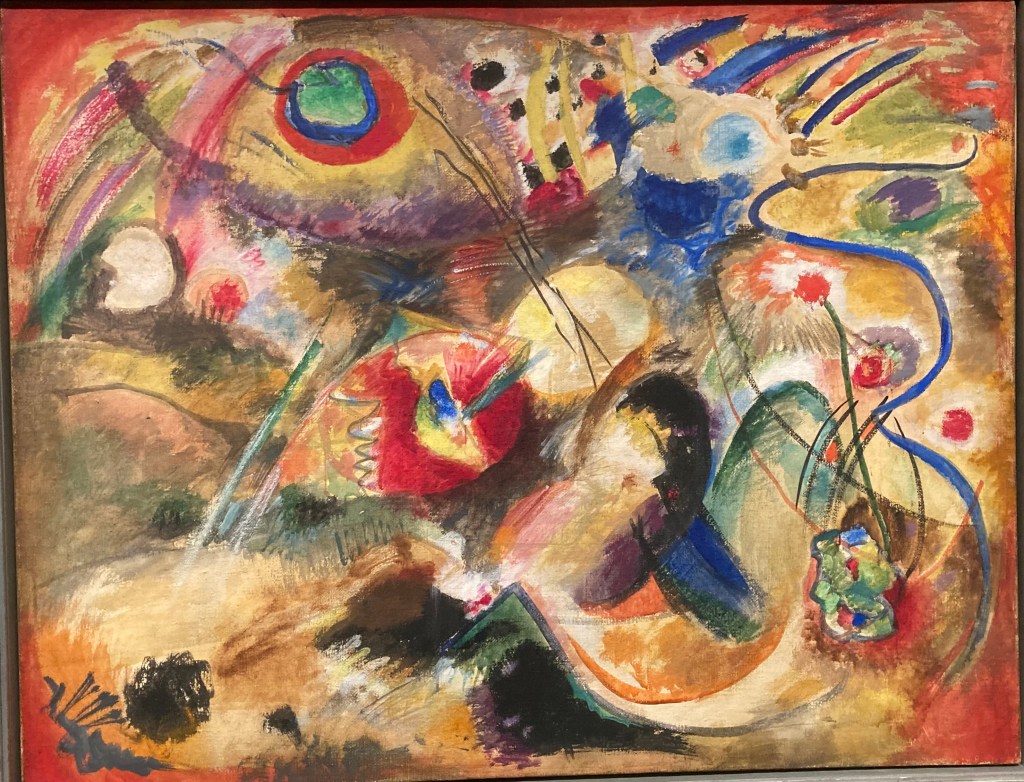
The movement attracted many artists, some of whom gathered in Murnau, a rural town in the foothills of Bavaria from 1908 onwards. This was a hub for the burgeoning talent and new approaches by artists whose work is shown below, in this order:
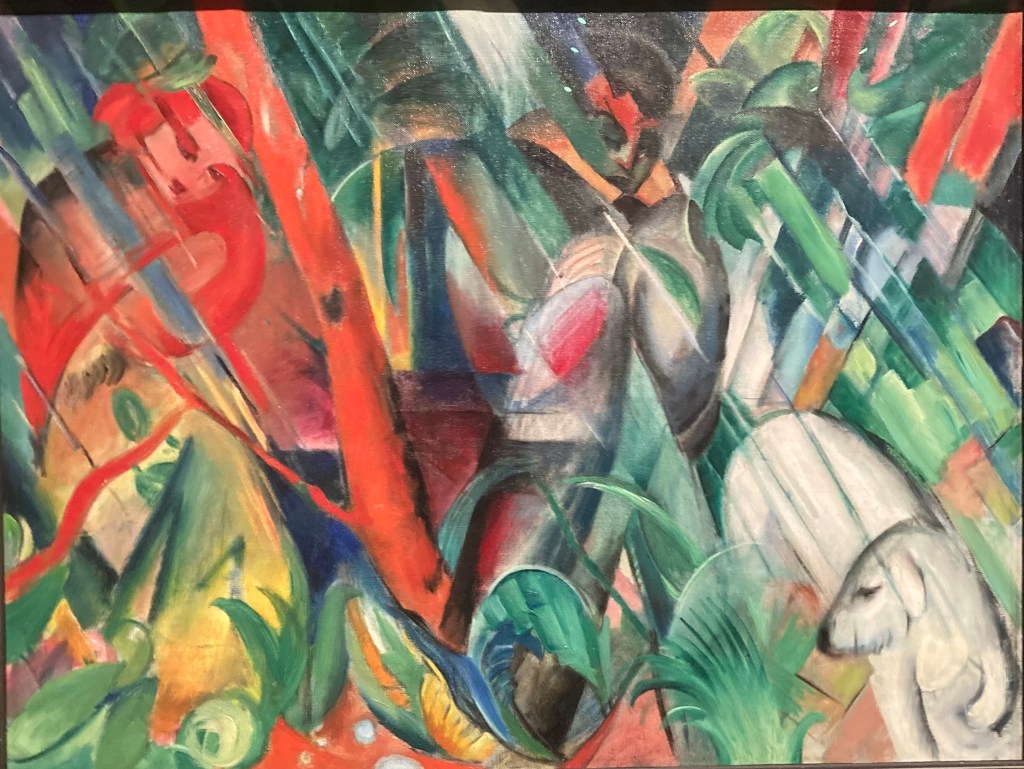
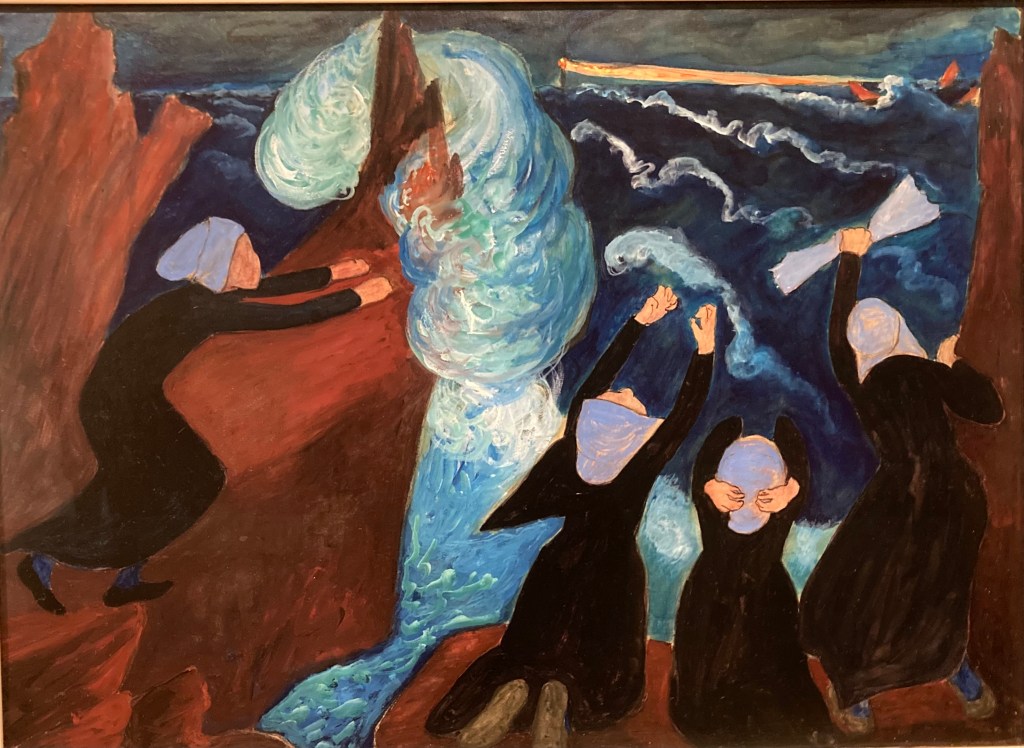
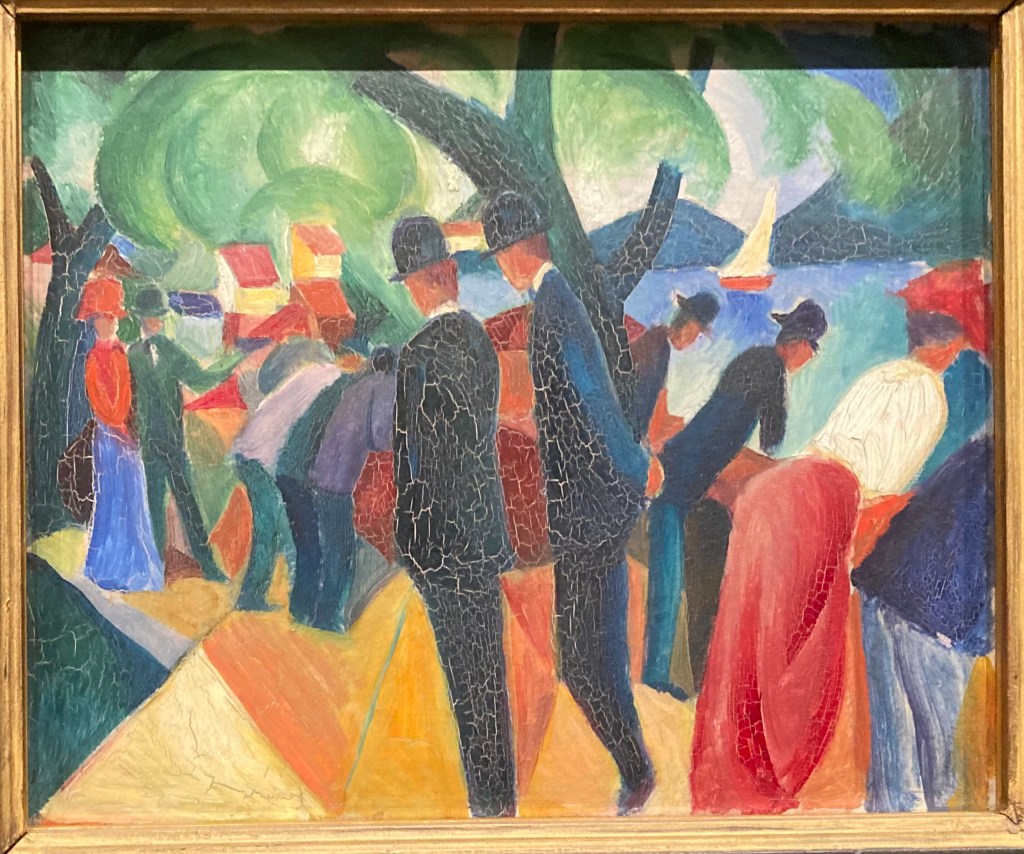
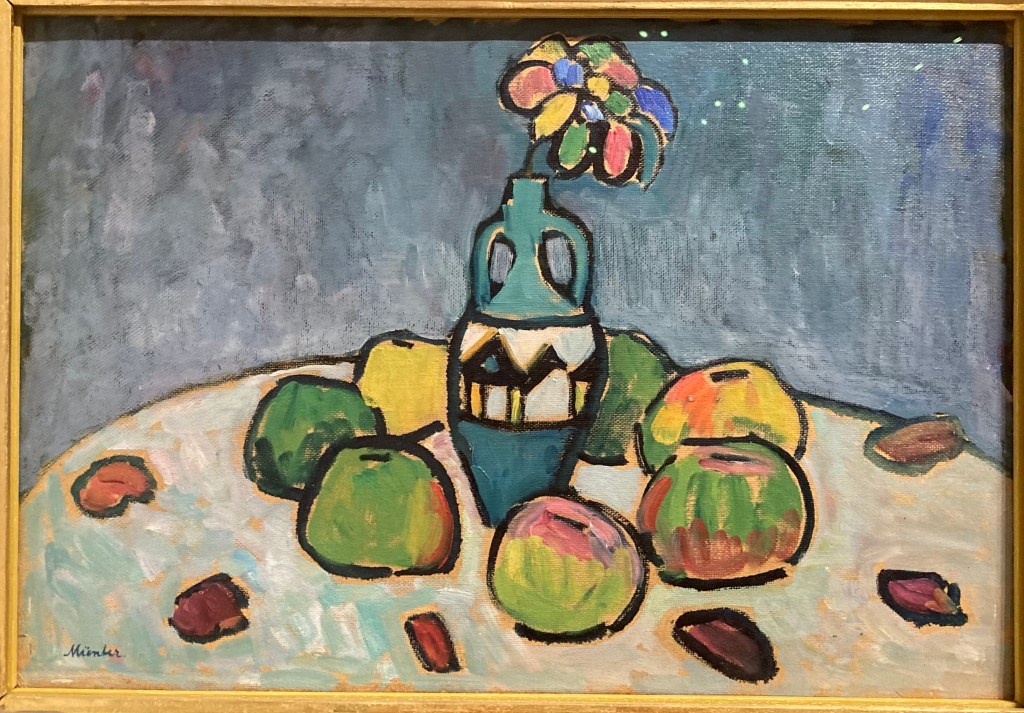
Kandinsky: Bernau Garden; Kadinsky: The Cow 1910; Franz Marc: Tiger 1912; Kadinsky: Lady in Moscow1912; Kadinsky: The Deluge 1913 -14; Franz Marc: In the Rain 1912; Marianne Werefkin: The Storm 1907; August Macke: Walk on the Bridge 1913; Gabriele Münter Still Life in Grey 1910
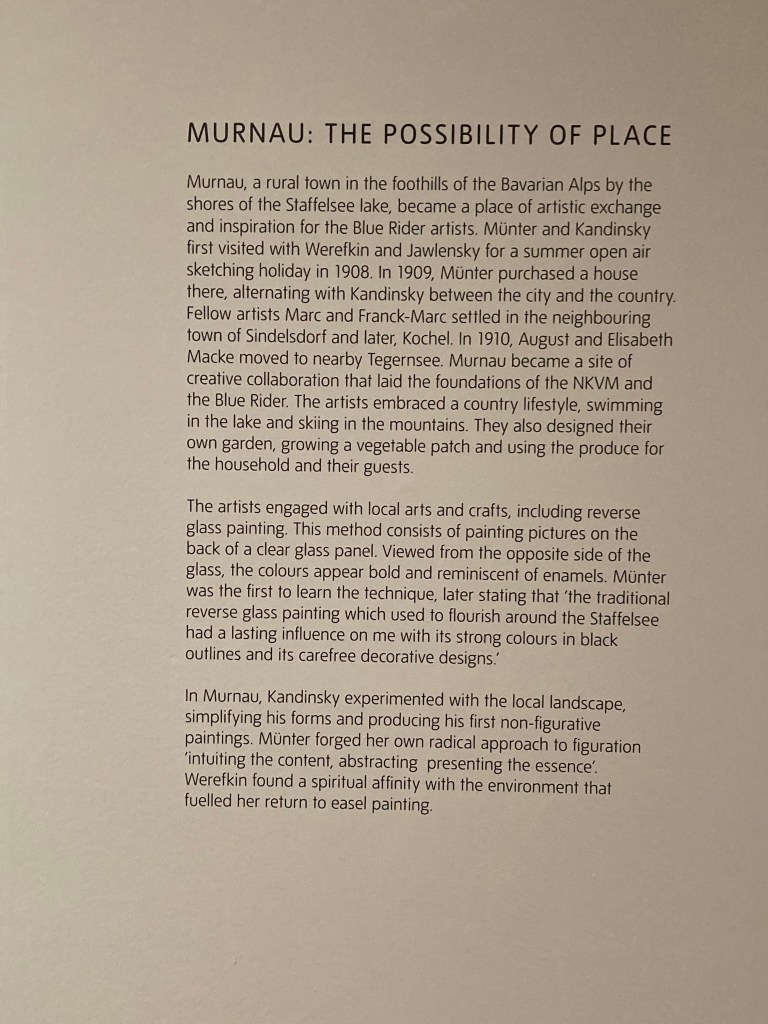
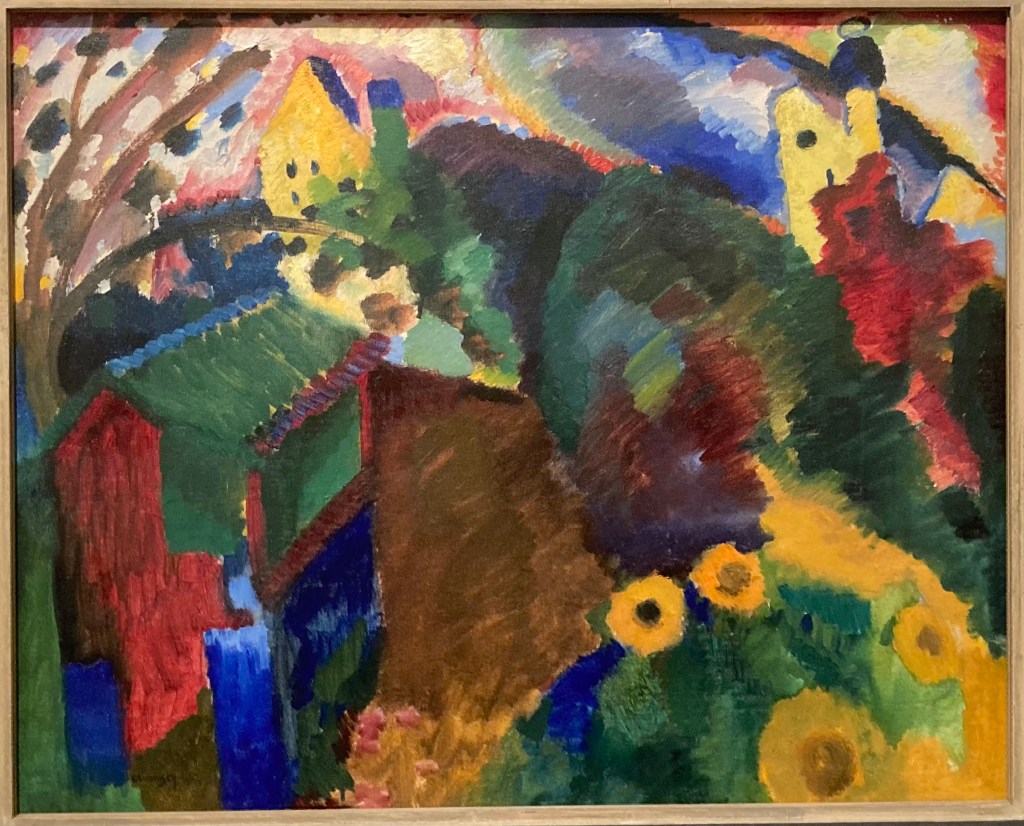
Switzerland also provided a base, though this was quickly dispersed with the onset of war, and the movement faded. By the 1920s the focus had shifted, and though Blue Riders’ innovations informed the next creative wave, the movement itself was forgotten.
It was not long (15 October) before we tackled the very particular exhibition celebrating David Hockney’s involvement with the National Gallery which involved Hockney’s reproductions of Piero della Francesca’s The Baptism of Christ (probably about 1437–45) alongside the original Renaissance painting
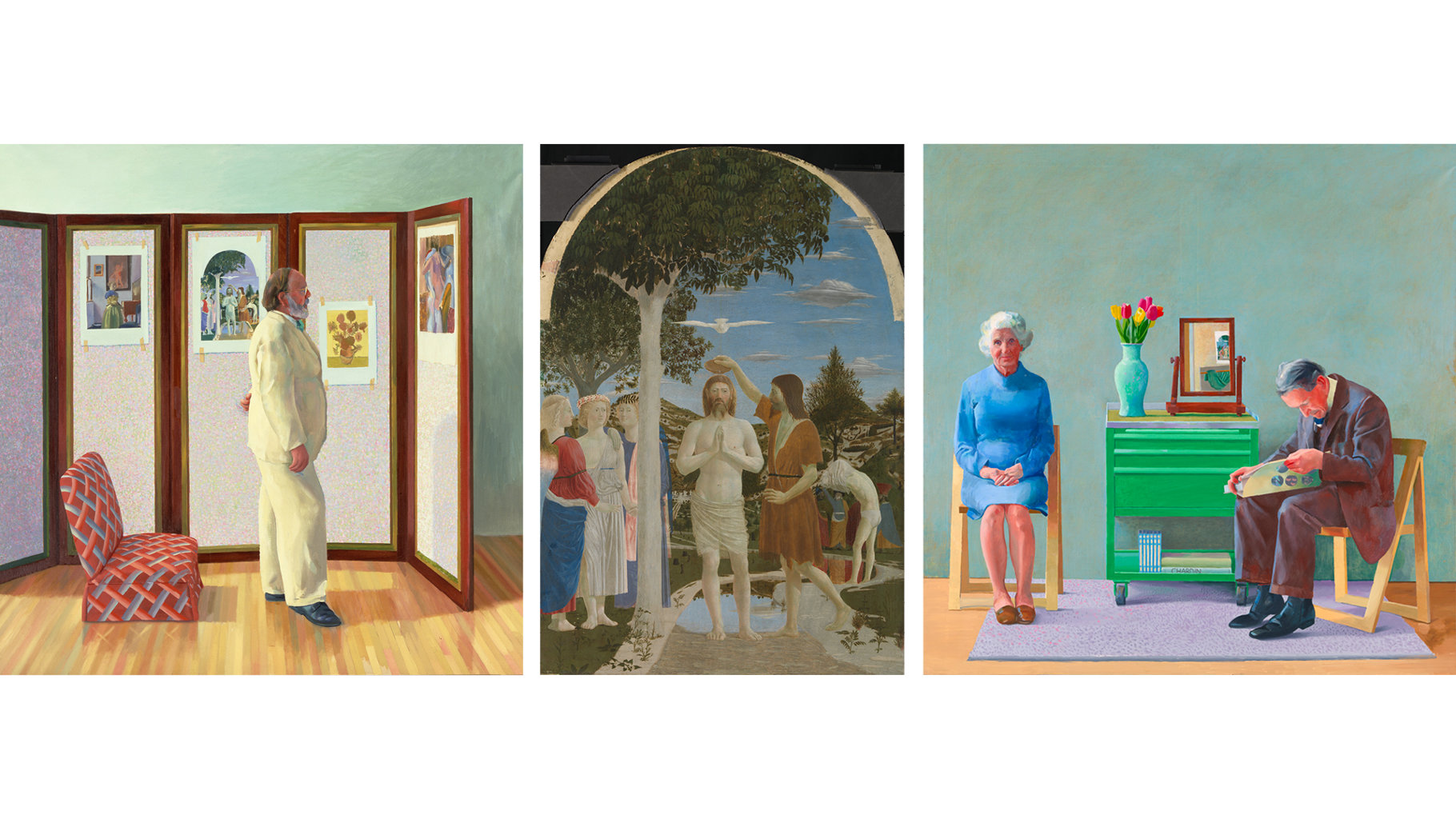
Image: Left: David Hockney, ‘Looking at Pictures on a Screen’, 1977 Centre: Piero della Francesca, ‘The Baptism of Christ’, probably about 1437–45 © The National Gallery. Right: David Hockney, ‘My Parents’, 1977 . Photo: Tate, London
The exhibition explored the Hockney’s lifelong association with the National Gallery and passionate interest in its collection in general and with the 15th-century Italian painter Piero della Francesca (1415/20–1492) in particular. Hockney had confessed of ‘The Baptism of Christ’, ‘I’d love to have that Della Francesca just so I could look at it every day for an hour.’
In Hockney’s ‘My Parents’ (1977), a reproduction of Piero’s ‘The Baptism of Christ’ is reflected in a mirror on a trolley behind the sitters. ‘Looking at Pictures on a Screen’ (1977), depicts Hockney’s close friend Henry Geldzahler, the Belgian-born American curator of 20th-century art at The Metropolitan Museum of Art in New York, peering at a folding screen in the artist’s studio on which are stuck four posters of favourite National Gallery pictures including ‘The Baptism of Christ’.
The exhibition was a fantastic insight into how art ‘works’; promoting ‘slow looking’, an activity that in Hockney’s opinion, is vital. It certainly made us stop, look, and think.
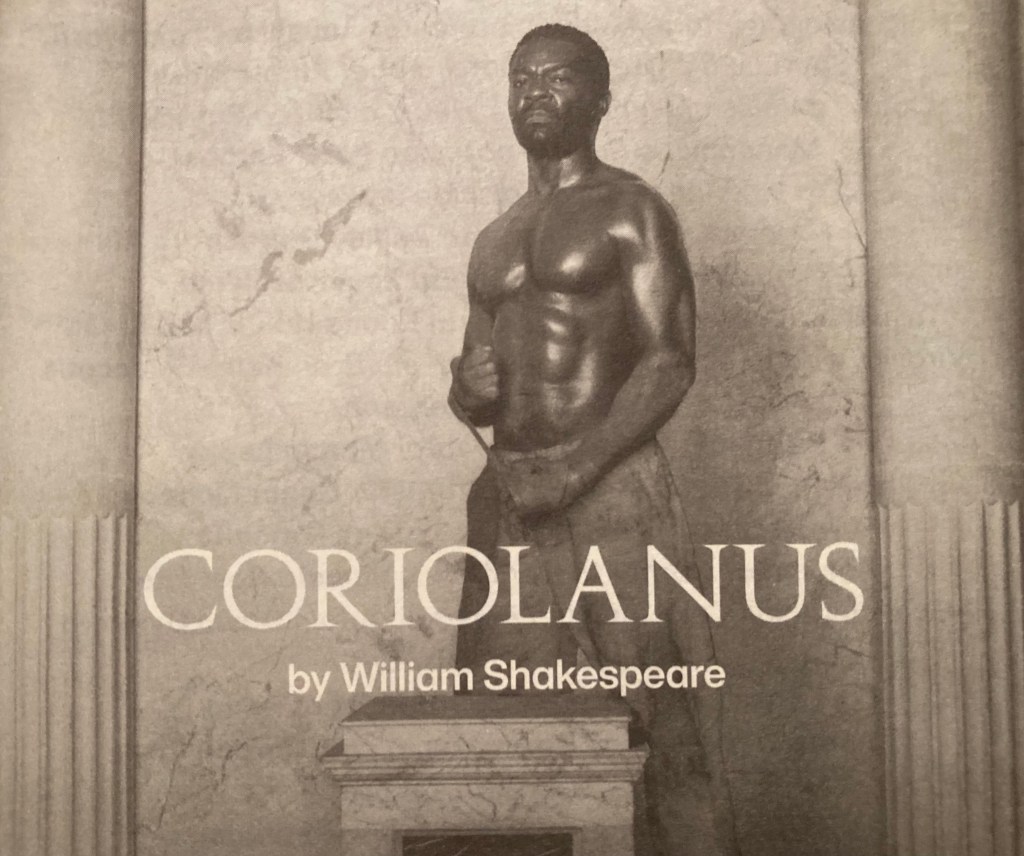
On 30 October I had the company of an lately rediscovered friend from Oxford at a National Theatre matinée to watch a tremendous production of Shakespeare’s Coriolanus. It was extraordinary: entirely loyal to the text (heavily laden with Shakespeare’s treatment of the era’s political theories which are so frequently and heavily cut) and brilliantly performed. Terrific!
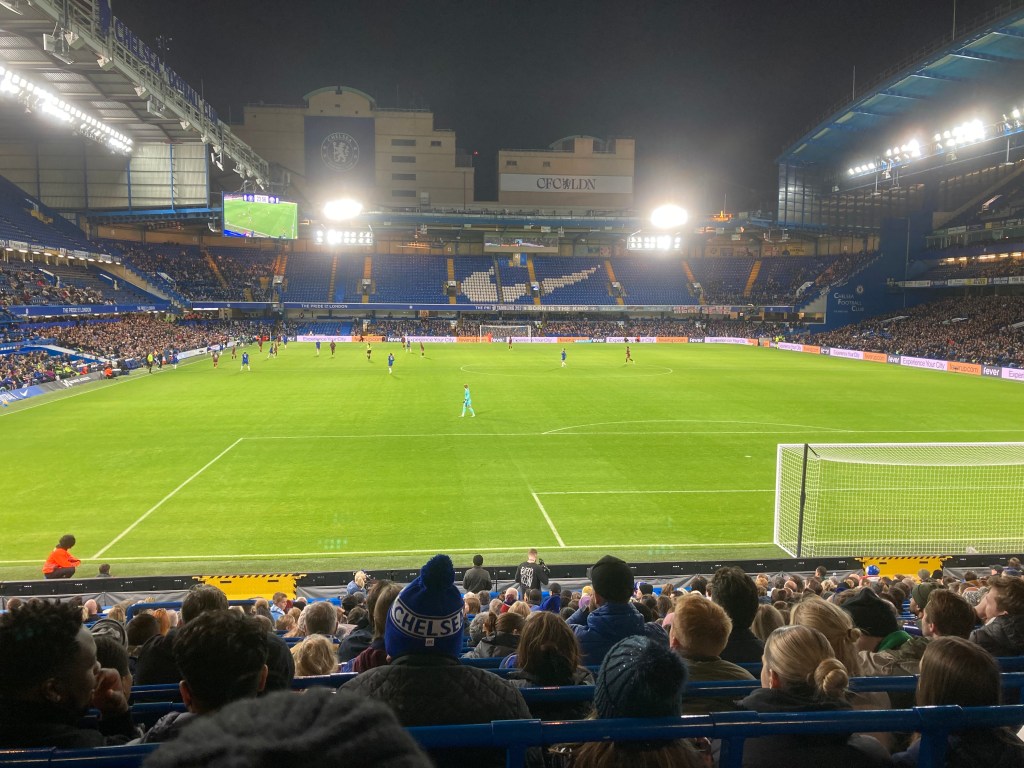
On the 16 November, we went to watch Chelsea Women play at Stamford Bridge (yes, reader, I agreed to this…in the interests of fairness. David after all, was joining in with the art exhibitions and concerts)
Beforehand we had visited the Royal Academy to see Micheangelo Leonardo Raphael : Florence 1504 which was a relatively small collection of drawings, the Taddei Tondo and the Burlington Cartoon. It was a privilege to see these contemporaneous masterpieces alongside each other. Astonishing
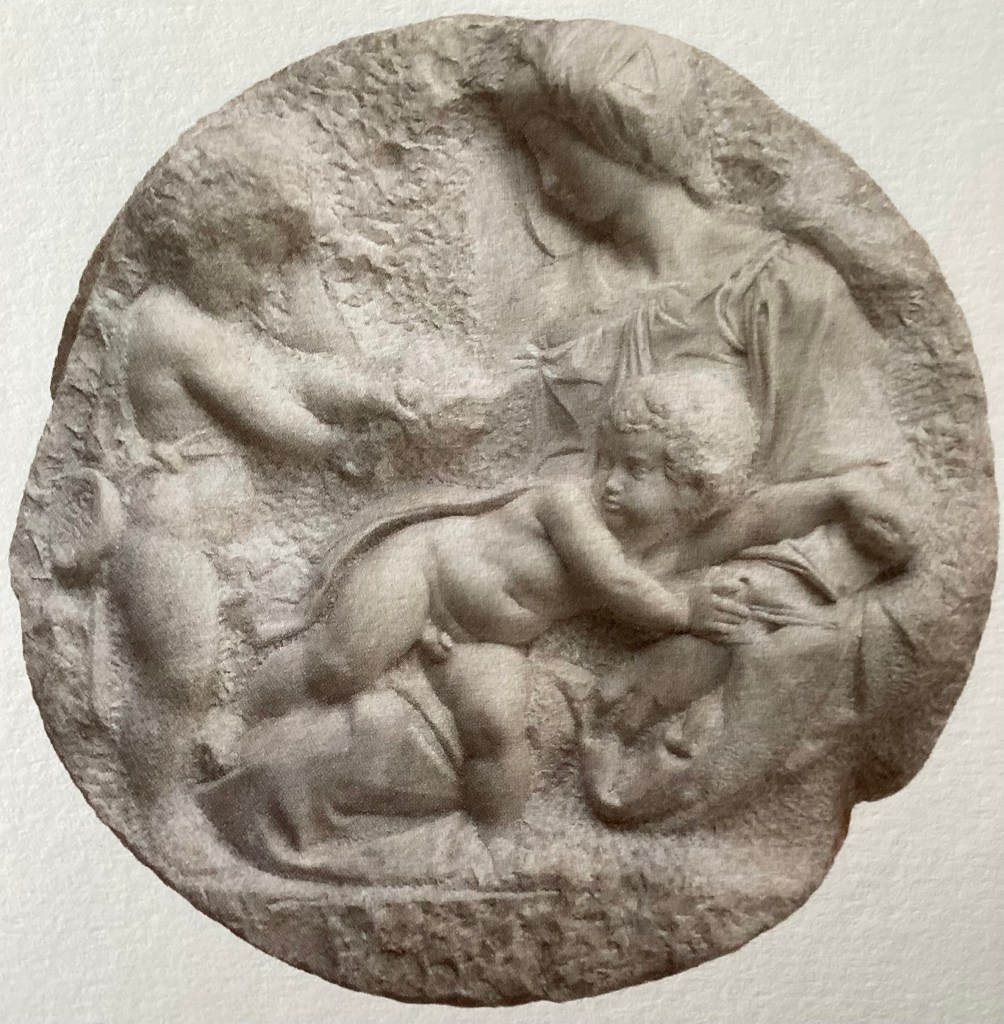
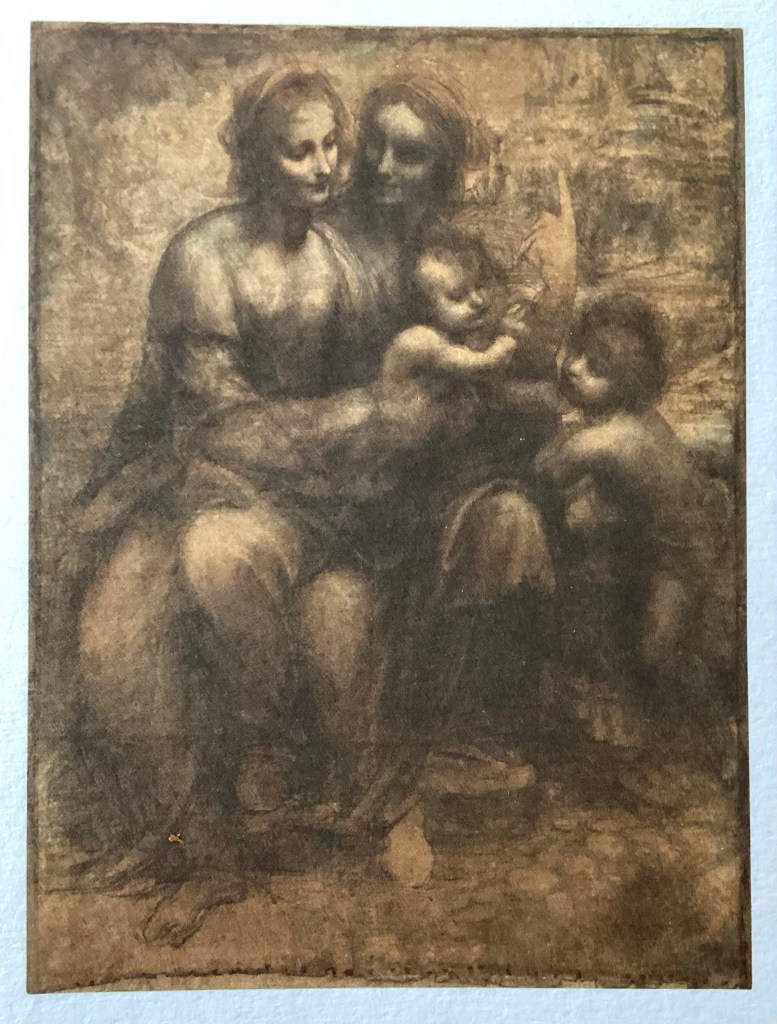
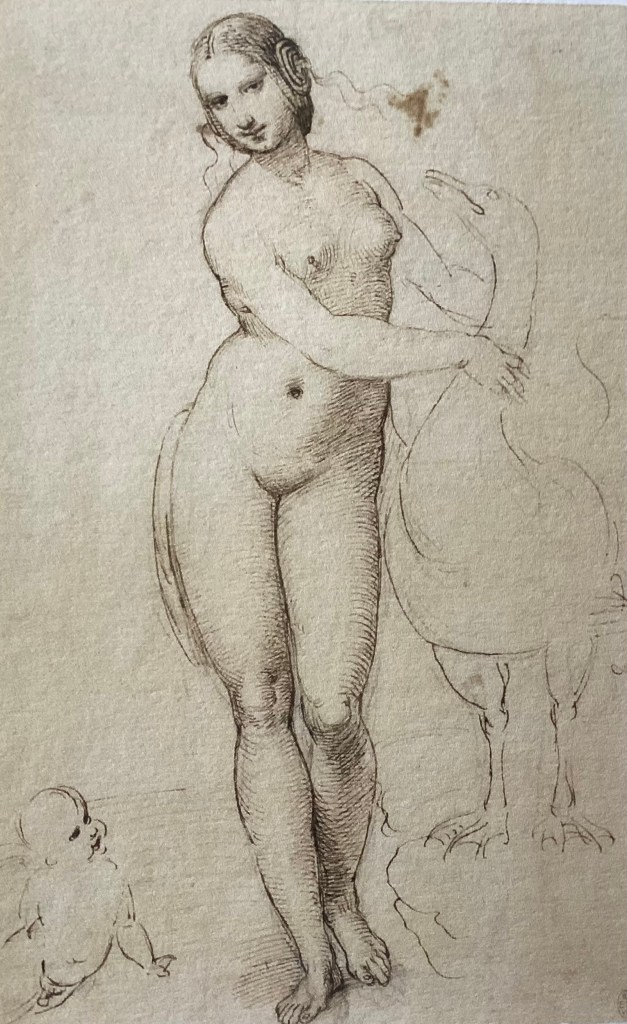
Michelangelo’s not quite finished marble is exquisite; and the large drawing by Leonardo, on eight separate pieces of canvas is breath-taking. Raphael was still a very young man, and had quite a way to go! But it is remarkable that they were all in Florence in that year – a city still recovering from the horrors of Savonarola!
It would be negligent not to include the musical treats at Stockbridge (the Tippett Quartet on 27 September, not to mention a curious piano performance in the absence of the promised Arias from Puccini’s operas); David Owen Norris at the piano on Thursday 24 October in Andover’s Lights; the inaugural concert of the Meadow Singers in Upper Clatford on 23 November. At least two of these were accompanied by serious storms !
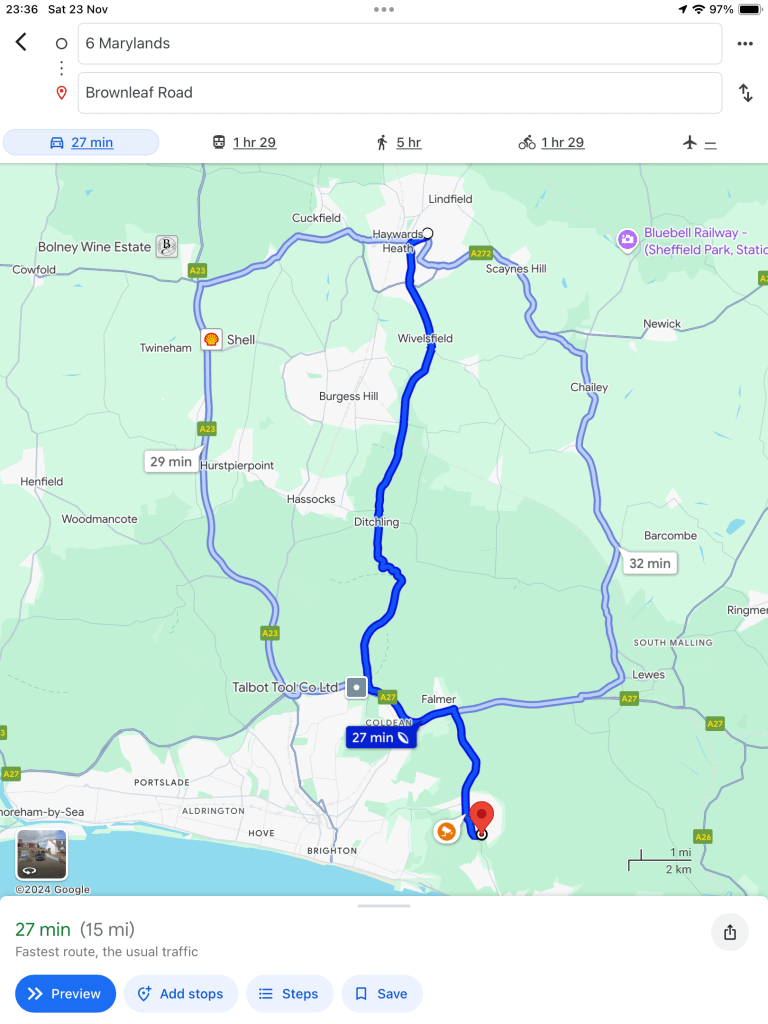
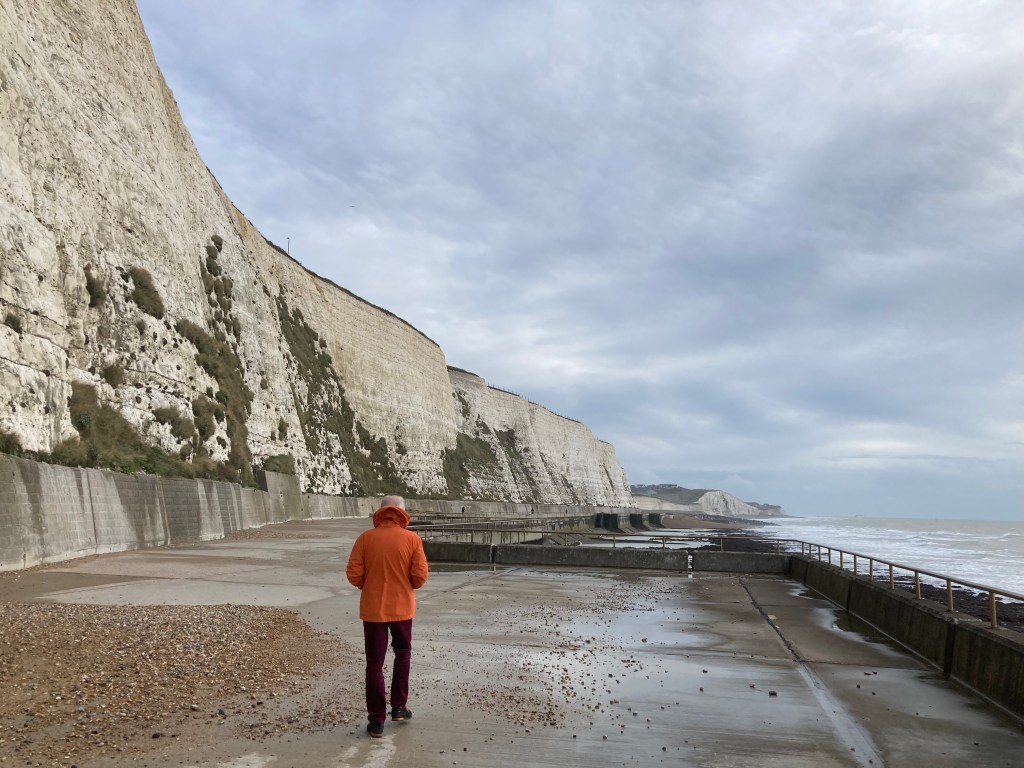
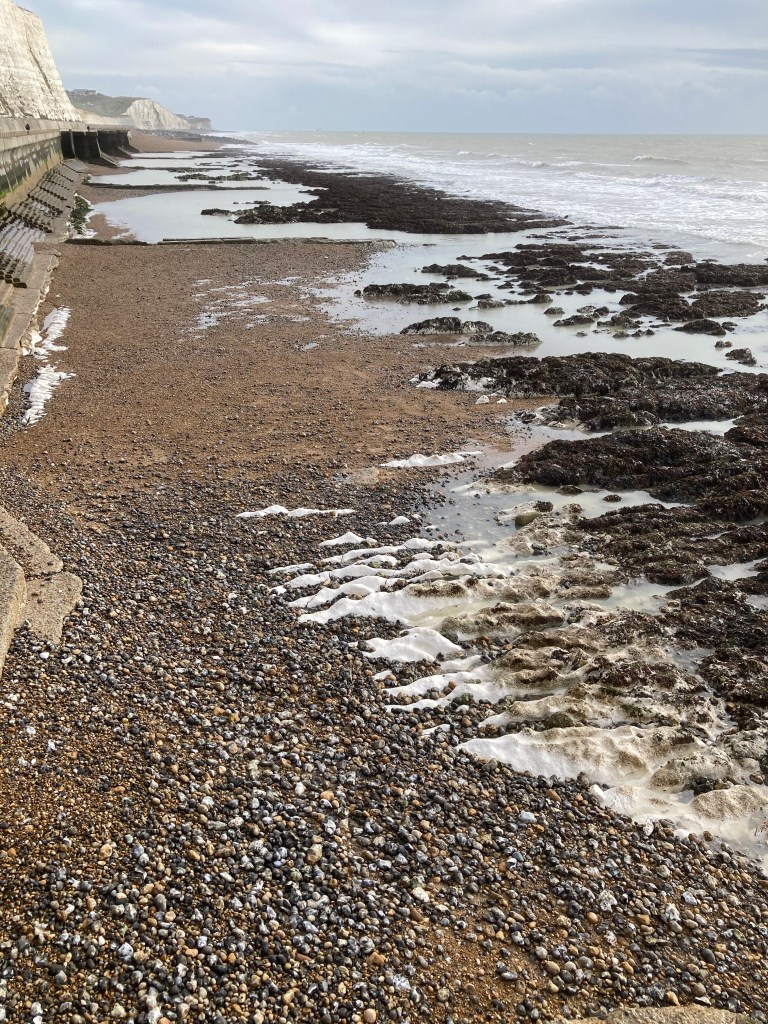
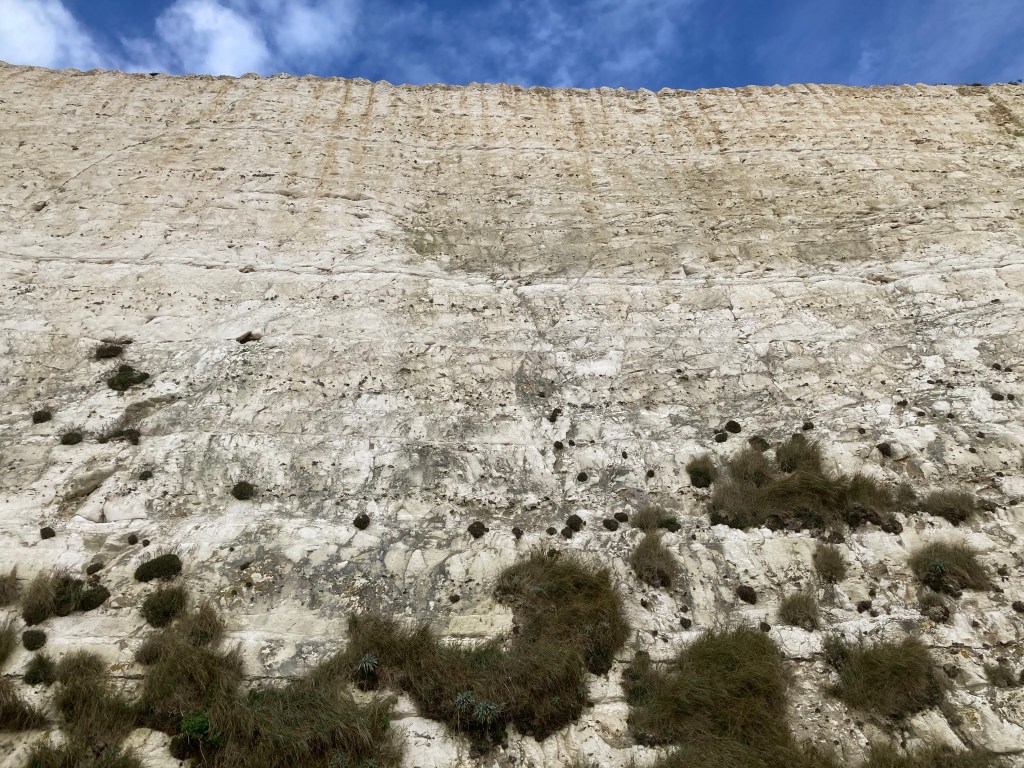
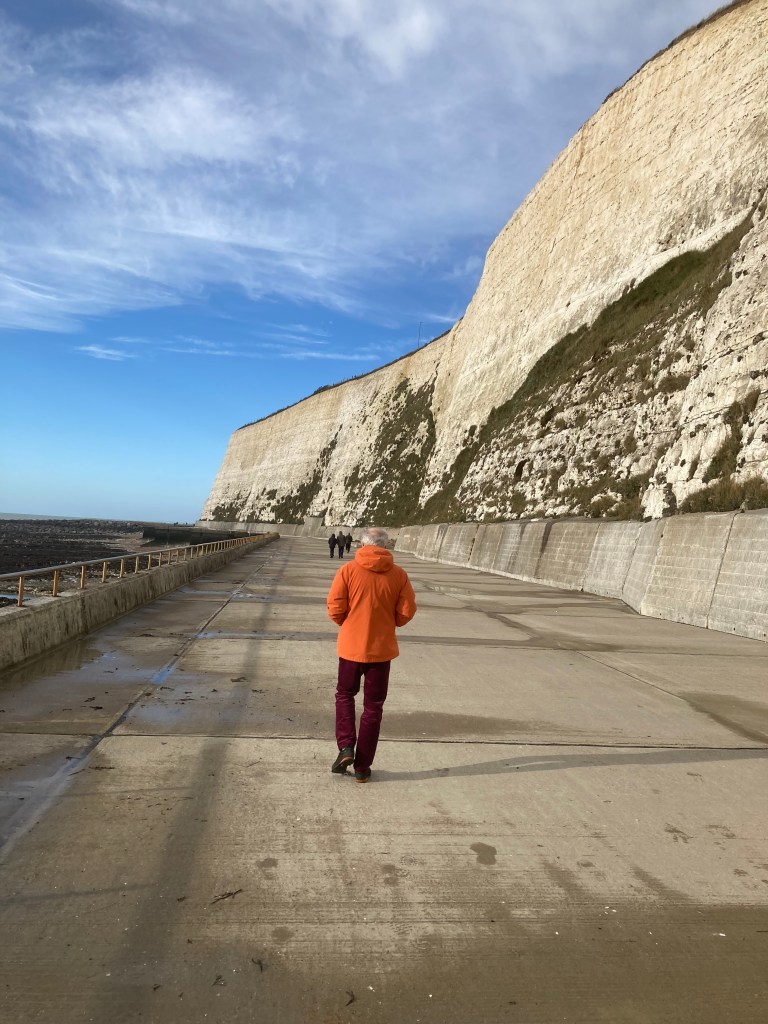
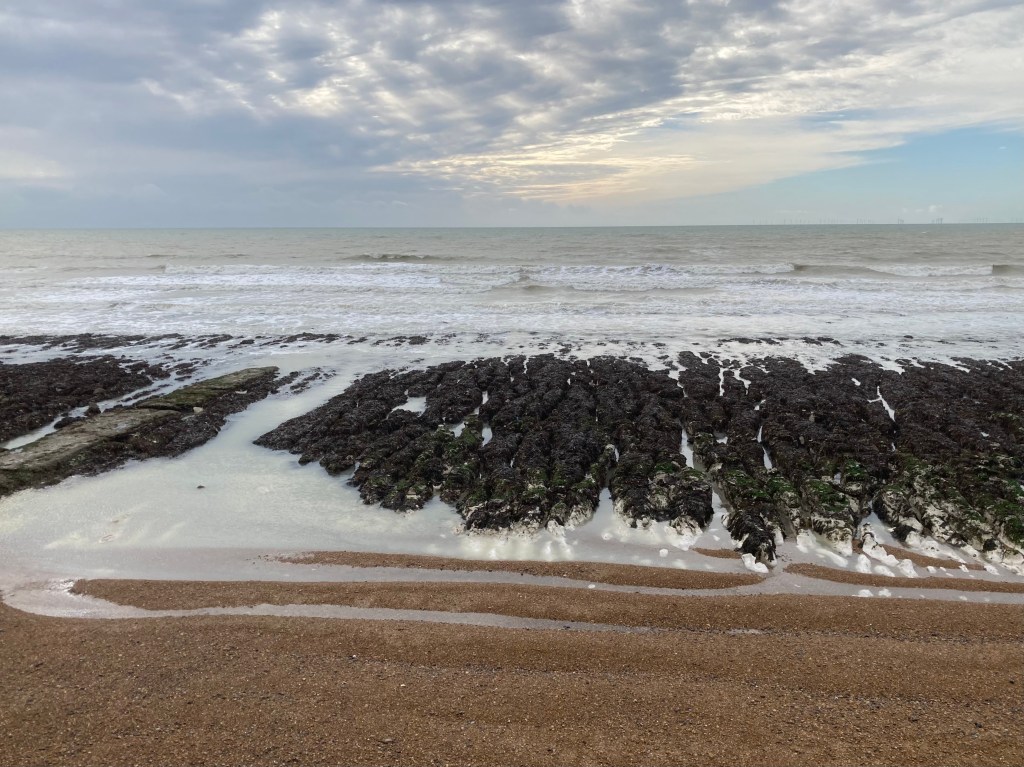
And finally we made it to Haywards Heath – to see Jez and Emma (and Evie the dog) and to Woldingdean to deliver a small bike to Helena and Paul’s daughter Laurie for Christmas, before spending an interesting night right by a raging sea in the middle of Storm Burt in the White Horses Hotel in Rottingdean. The next morning we walked along the promenade, beneath the impressive chalk cliffs before the slow drive home via the A27. The best part of that journey was lunch at The Earl of March near Chichester.